
Written scope
Room-by-room summary of work to be done
When water is rising in your Cary home or business, every minute counts. Our emergency water removal Cary NC team responds 24/7 to extract standing water, dry structural cavities, and stop secondary damage before it spreads. Whether it's a burst pipe in Preston, a slab leak near Lochmere, or storm flooding across Wake County, we arrive with industrial extraction units and moisture meters ready to work. One call gets water out and your property on the road to dry.
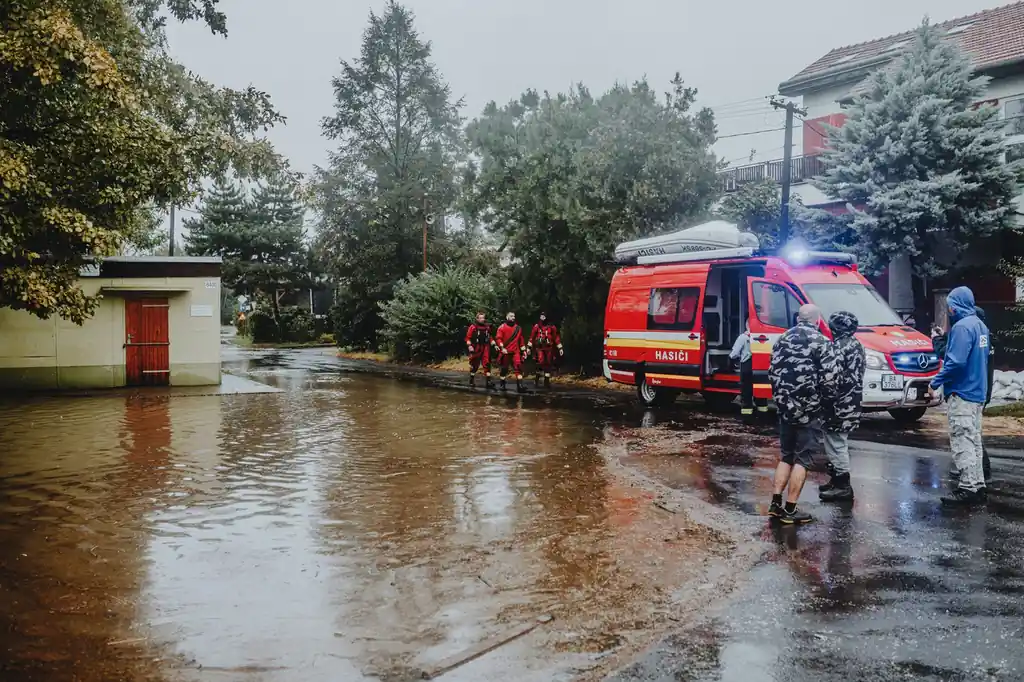
Every water loss is different, but our standard emergency water removal service covers the full scope from arrival to close-out. Here is what is included when you call us for a water emergency in Cary.
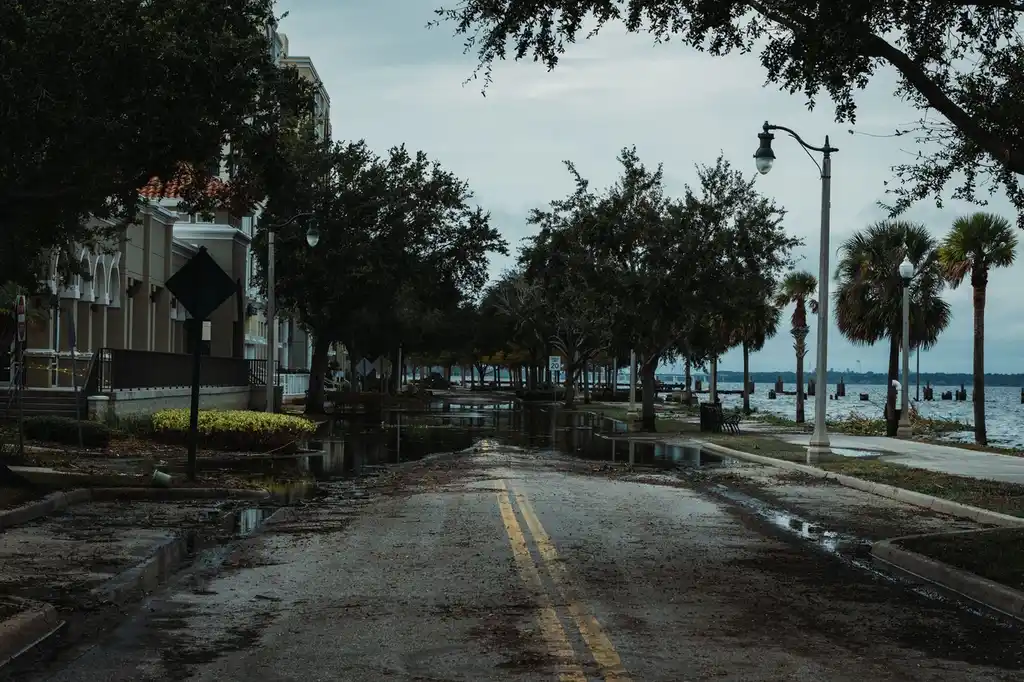
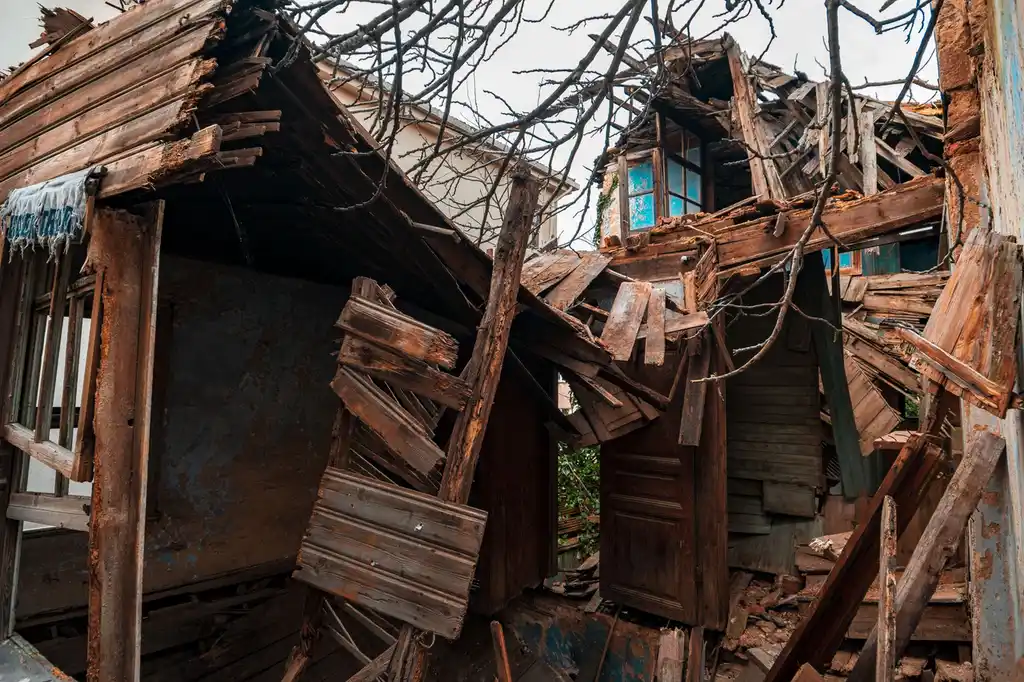
We handle water losses in single-family homes, townhomes, and apartments across Cary. Whether it is a burst pipe, an appliance failure, or storm intrusion, we extract the water and dry the structure.
We work with property managers, business owners, and facility teams to minimize downtime after a water loss. We document everything for commercial claims and coordinate access with tenants.
Emergency water removal Cary NC is the process of extracting standing water from a structure, then drying the building materials and air to prevent mold growth and structural failure. It is not a shop-vac job. We use truck-mounted water extraction units, industrial air movers, and refrigerant or desiccant dehumidifiers to pull moisture out of drywall, insulation, wood subflooring, and concrete. Moisture meters and thermal imaging cameras map exactly where water traveled - often far beyond the visible puddle. The goal is simple: get the structure dry enough that mold cannot colonize, usually within 24 to 48 hours of the loss.
Cary homeowners call us for burst pipes in winter, appliance failures, roof leaks after summer storms, sewage backups, and slab leaks that surface as warm spots on the floor. In Wake County, the mix of older ranch homes and newer builds means we see everything from galvanized pipe failures to failed supply lines behind refrigerators. If you're searching for urgent water removal near me Cary NC at 2 a.m., we answer. We handle the extraction, the drying, and the documentation your insurance adjuster needs - all in one visit.
Water comes out first, then we dry the structure to a measured standard.
Every water loss is different, but the sequence is the same. Here is what happens from the moment you call until the last piece of equipment leaves your property.
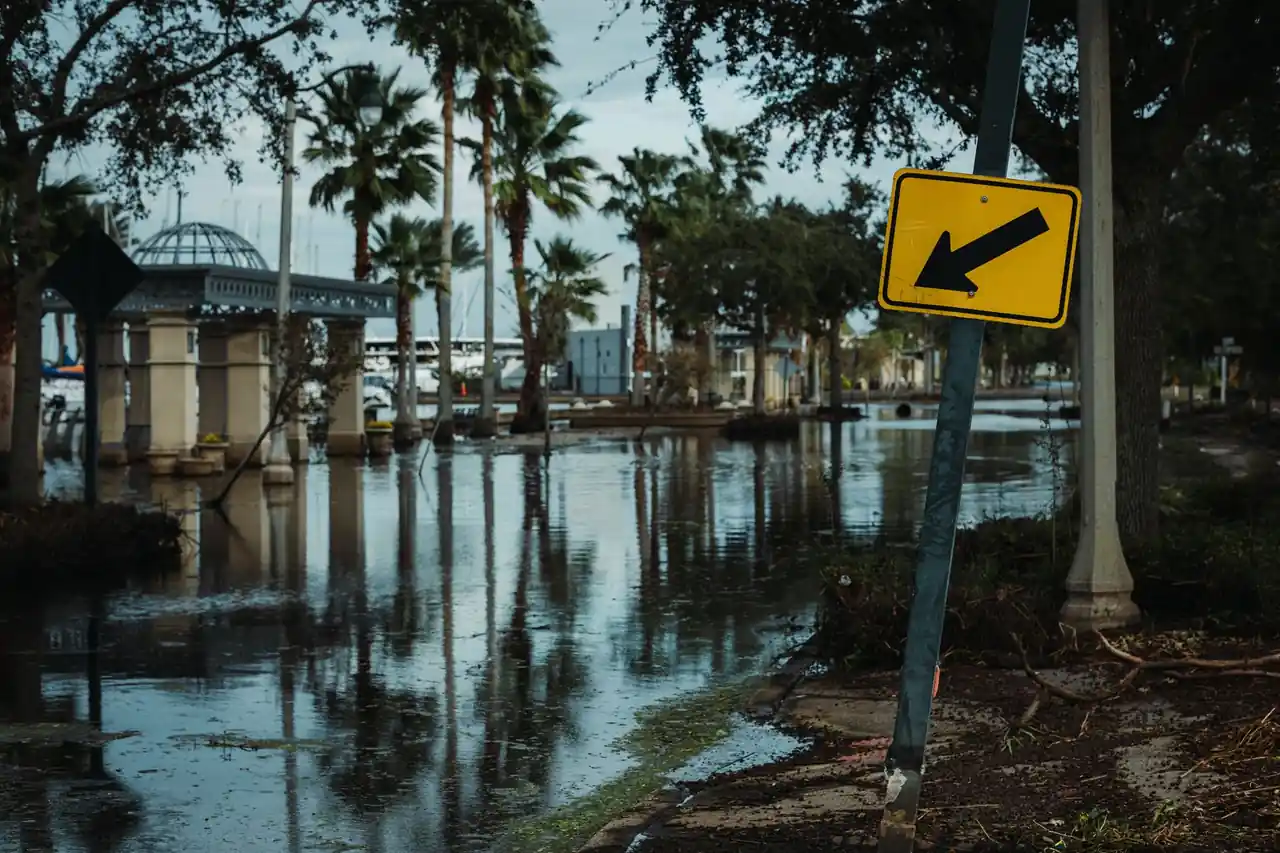
You call (919) 555-0134 and describe what happened. We ask the right questions: Is the water still running? Is it clean, gray, or sewage? How many rooms? That tells us what equipment to load. We give you an arrival window and tell you how to shut off the water if you haven't already. No phone tree, no call center.
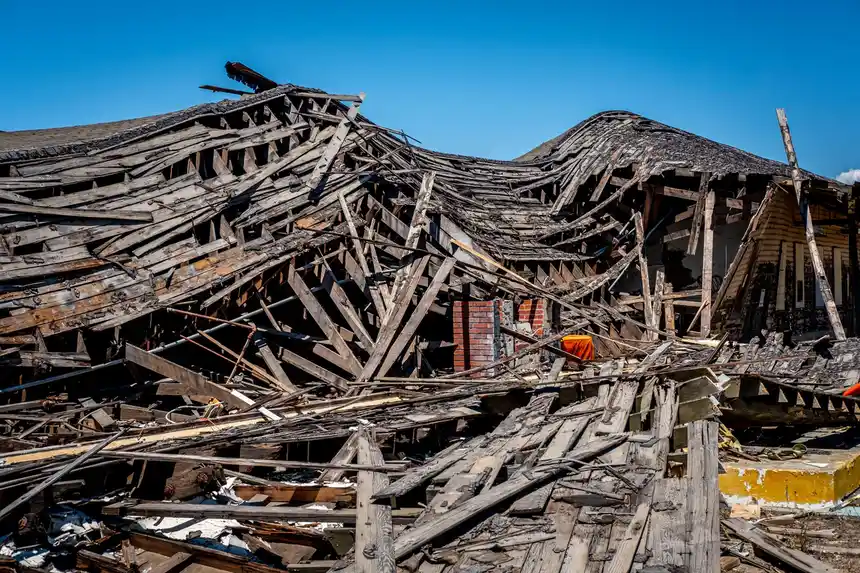
We walk the property with moisture meters, thermal imaging cameras, and a hygrometer. Water travels. A leak in an upstairs bathroom often shows up in the ceiling below. We map the full extent of the moisture - visible and hidden - before we set a single piece of equipment. This takes 20 to 40 minutes on a typical Cary home.
Truck-mounted and portable water extraction units pull standing water from carpet, hardwood, tile, and concrete. For deep water, we use submersible pumps first. For carpet, we use weighted extraction heads that pull water from the pad and subfloor. A typical 500-square-foot area takes one to two hours to extract.

We position industrial air movers and dehumidifiers based on the moisture map - not guesswork. Desiccant dehumidification is used for dense materials and cooler spaces. We set up polyethylene sheeting to contain the drying chamber when needed. You get a drying log with daily readings, and we return each day to check progress until materials hit dry standard.
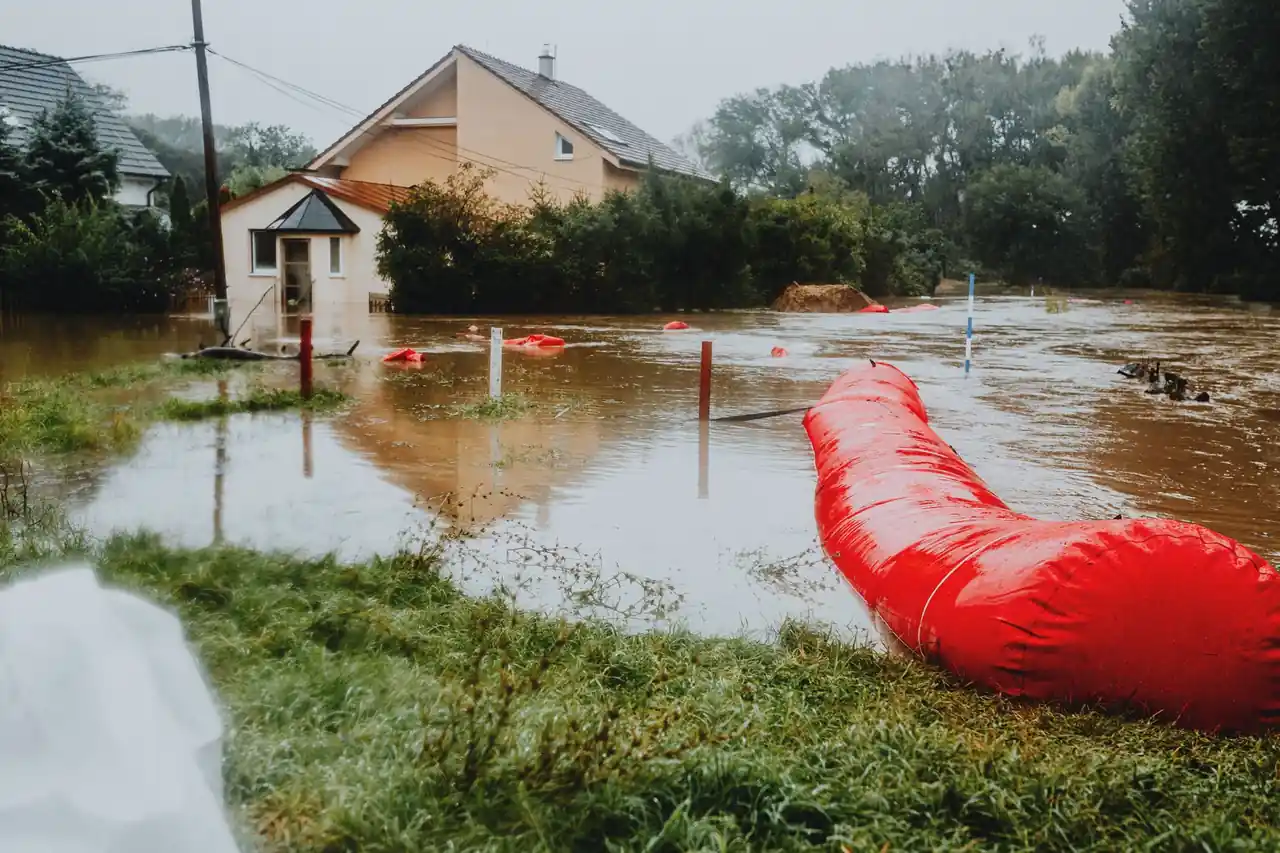
When drying is complete, we take final moisture readings, photograph everything, and provide a written drying report formatted for your insurance adjuster. We remove our equipment, walk the property with you, and leave you with a clear picture of what was wet, what we did, and what to watch for. If repairs are needed, we scope those separately.
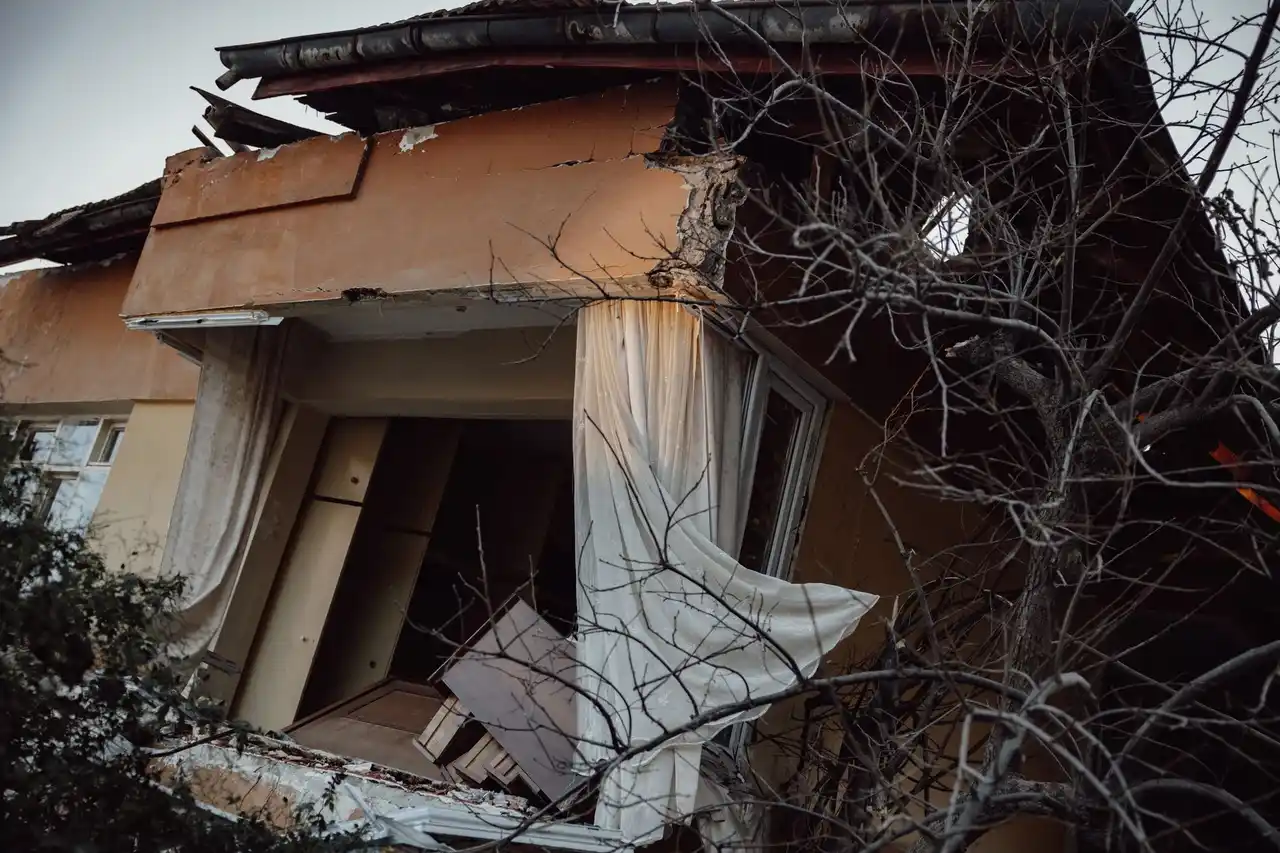
Penetrating and pinless meters measure moisture content in wood, drywall, and concrete. We use them to establish dry standard and track daily progress.
Infrared cameras reveal temperature differences caused by evaporating moisture. They help us find hidden water in walls, ceilings, and floors without cutting into finished surfaces.
High-velocity air movers create evaporation at the surface of wet materials. We position them based on the moisture map to dry structural cavities, not just the air.
Refrigerant and desiccant dehumidifiers pull moisture out of the air so wet materials can continue to dry. Desiccant units are used for dense materials and cooler spaces.
Truck-mounted and portable extraction units pull standing water from carpet, hardwood, and concrete. Weighted extraction heads pull water from carpet pad and subfloor.
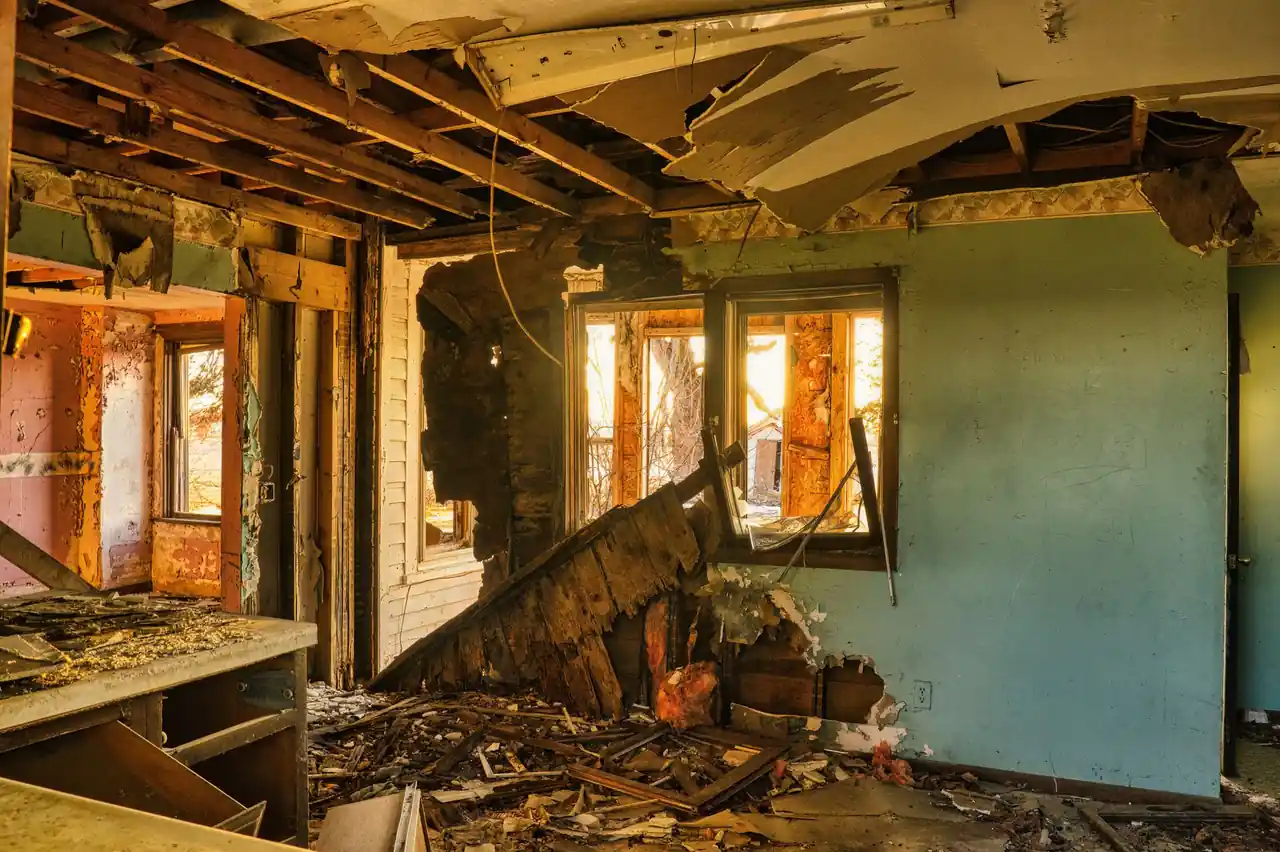
Inspection cameras let us look inside wall cavities and under floors without demolition. We use them to confirm moisture in hidden spaces and document conditions.
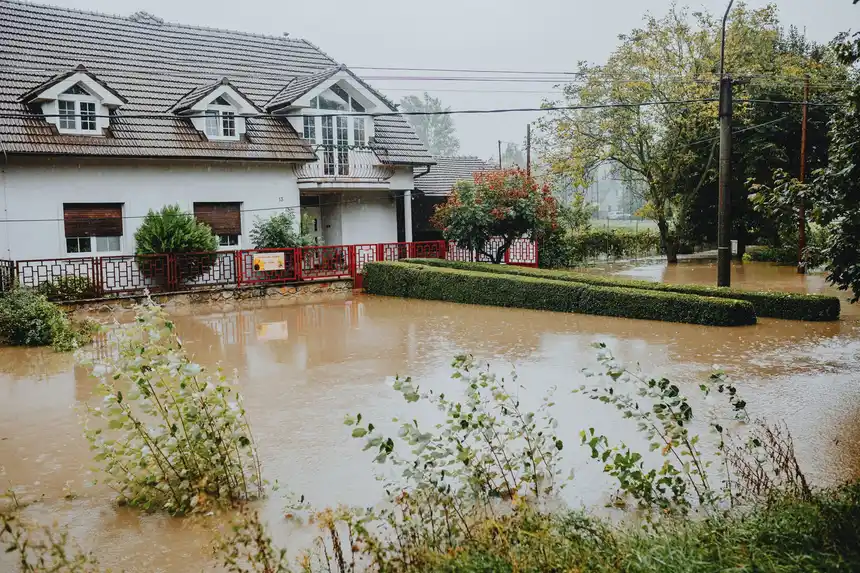
Hygrometers measure relative humidity and temperature. We use them to calculate dew point and confirm that the drying chamber is pulling moisture from materials, not just the air.
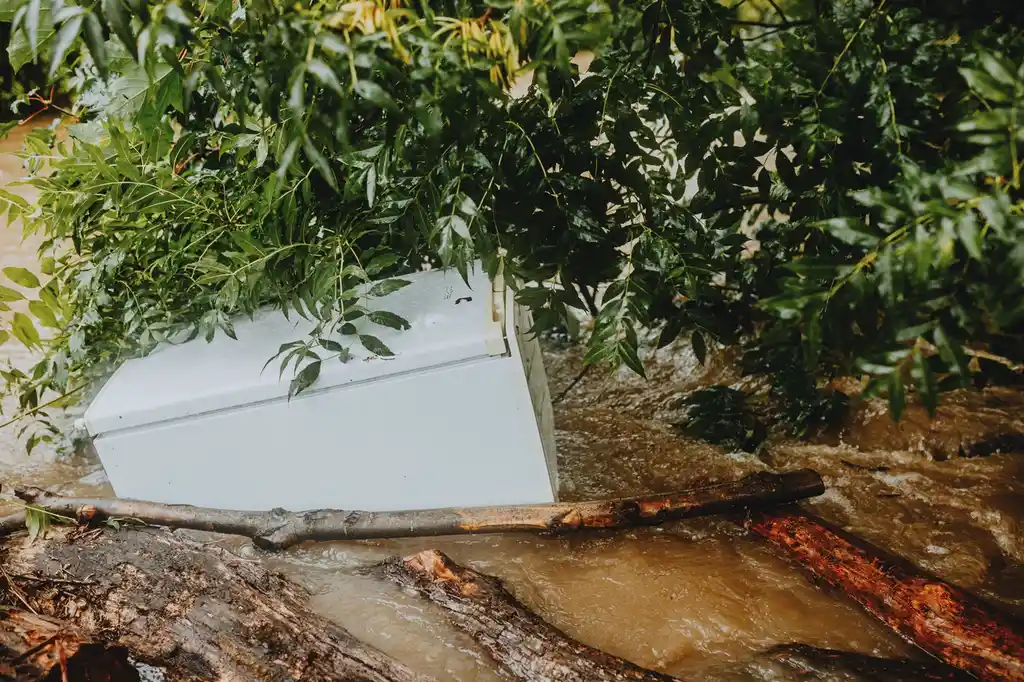
The IICRC S500 defines the standard of care for water damage restoration. It establishes water categories, classes of loss, and the dry standard we measure against. We follow it on every job so your claim is defensible and your structure is actually dry.
We answer around the clock and connect you with a local Cary provider. We map the full extent with moisture meters and thermal cameras to catch water that traveled into walls and ceilings. The structure is dry in three to five days, mold is prevented, and the insurance claim is documented from day one.
We extract the standing water, pull up carpet and pad if saturated, dry the subfloor, and set air movers and a dehumidifier. We apply antimicrobial treatments to affected framing. The subfloor is dry in three days, the carpet is saved or replaced, and the homeowner has a clear drying report for their adjuster.
We respond to both units in one visit, extract water, set equipment in each unit, and coordinate with the property manager and tenants so no one has to be on-site. We document everything for the commercial claim. Both units are dry within four days, tenants are back to normal, and the property manager has a single drying report covering the whole loss.
We use thermal imaging and moisture meters to confirm the leak location and map how far moisture has spread. We extract, dry, and document conditions for the plumber and the insurance claim. The homeowner has clear documentation of the damage, the plumber has a precise leak location, and the drying is complete before repairs begin.
Cary sits in Wake County, and the local climate drives the water damage we see. Summer thunderstorms dump heavy rain in short bursts, which overwhelms gutters and finds foundation cracks. Winter freezes burst pipes in older homes with galvanized or copper supply lines. The housing stock matters too. Older ranches near downtown Cary often have crawl spaces and original plumbing. Newer builds in Preston and Lochmere have PEX and CPVC lines that fail at fittings. Slab-on-grade homes hide leaks under flooring until the damage is significant. When you call for urgent water removal Cary North Carolina same day, we already know what to look for in your type of home. We work with local plumbers, roofers, and adjusters every week, so we can coordinate the full repair when needed.
Water damage shows up in different ways depending on the season and the building. Here are the most common problems we solve for Cary homeowners and property managers.
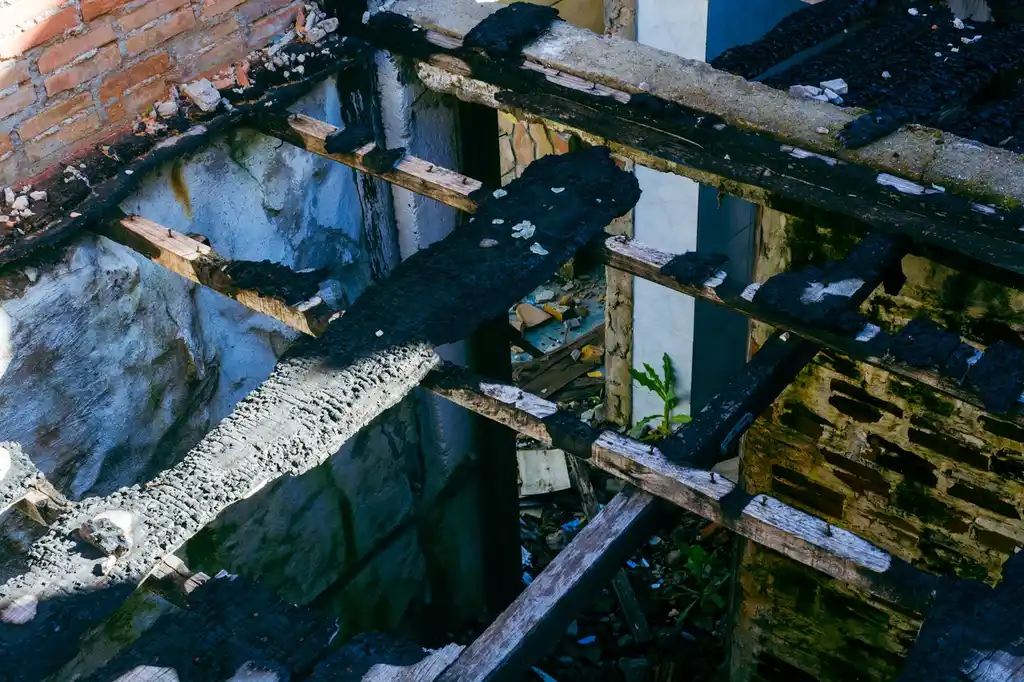
We extract standing water immediately, map the full extent with moisture meters and thermal cameras, and set drying equipment the same visit. We document everything for your insurance claim and monitor daily until the structure is dry. Standing water spreads into walls, subfloor, and adjacent rooms within hours. Mold can begin in 24 to 48 hours.
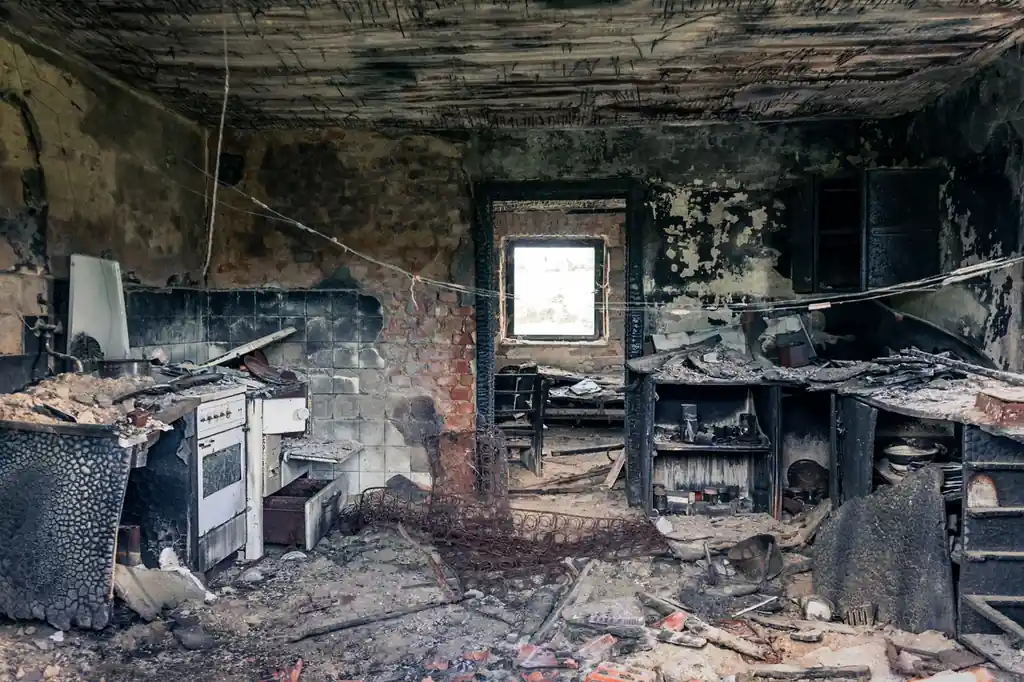
We handle sewage backups with full category 3 protocols - protective equipment, containment, extraction, antimicrobial application, and proper disposal. We do not cut corners on contaminated water. Category 3 water carries bacteria and pathogens. It requires protective gear, antimicrobial treatments, and often removal of unsalvageable materials.
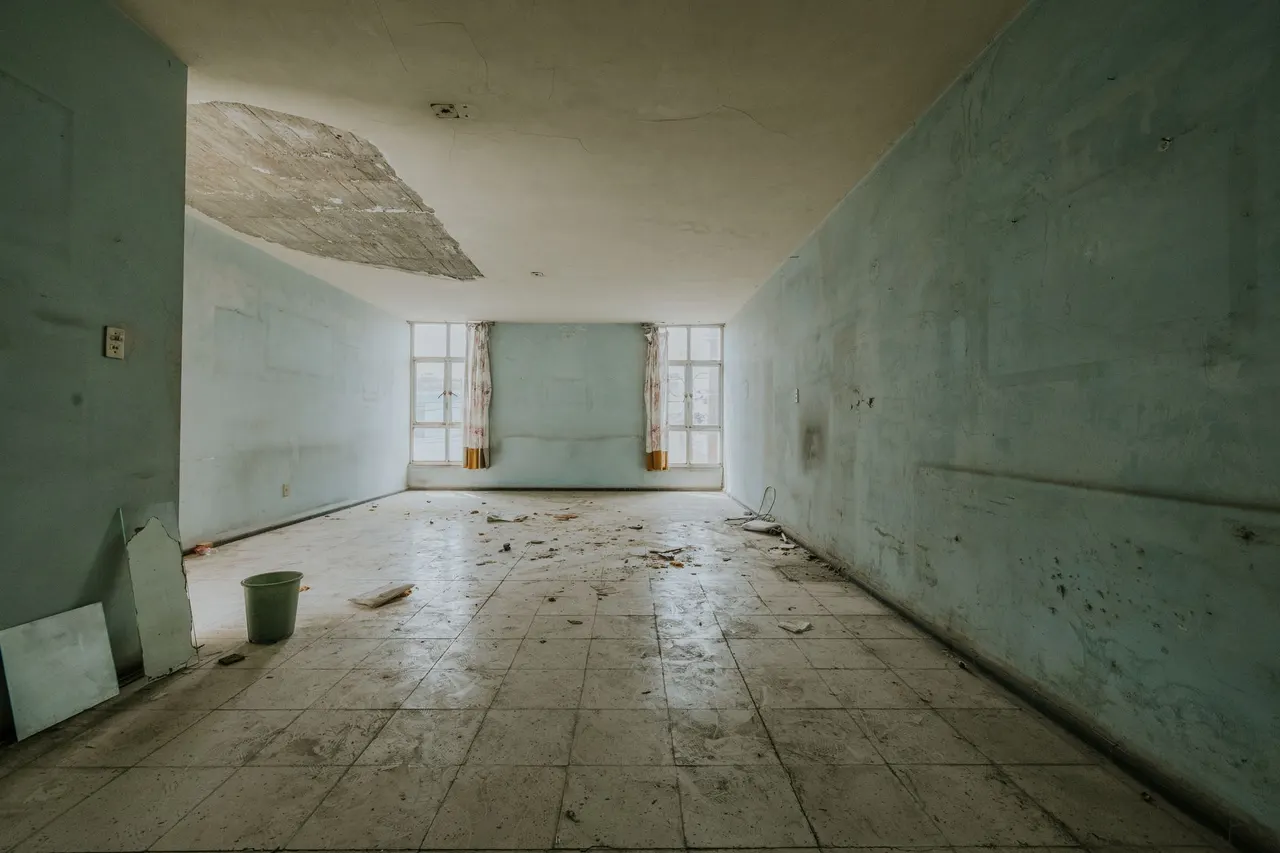
We use thermal imaging cameras and penetrating moisture meters to find the leak and map how far the water traveled. We extract what we can, dry the area, and document conditions for your plumber and your insurance adjuster. Water wicks up through the slab and into flooring, causing warping, delamination, and hidden mold growth in wall cavities.
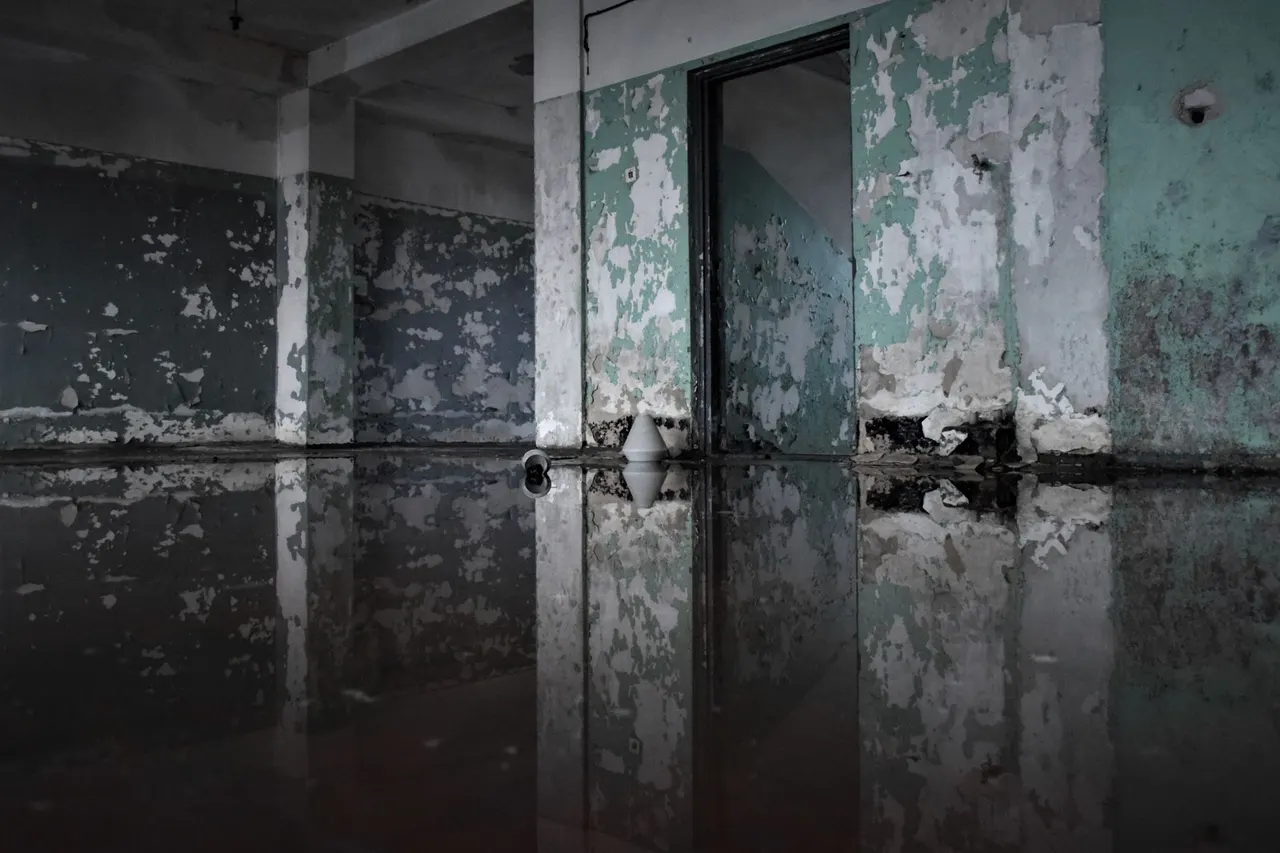
We trace the water path from entry point to the lowest affected area. We extract, dry, and apply antimicrobial treatments. If insulation or drywall is unsalvageable, we remove and document it for your claim. Water enters through the roof, windows, or foundation and spreads through insulation and wall cavities. It often goes unnoticed until stains appear.
Mold needs moisture and 24 to 48 hours. We extract standing water, then dry structural cavities to below 16% moisture content on wood and under 60% relative humidity in the air. That window is the difference between a dry-out and a full mold remediation. We apply antimicrobial treatments to affected framing and drywall edges as standard practice.
Wood subflooring swells, warps, and delaminates when it stays wet. Engineered hardwood and laminate can fail in as little as 72 hours. We use penetrating moisture meters and infrared thermometers to track drying progress daily, so we know when the subfloor is actually dry - not just dry to the touch.
The faster water is out, the smaller the claim. The provider document everything with photos, moisture readings, and a room-by-room drying log in writing. Adjusters process clean, well-documented claims faster. Most Cary policies cover sudden and accidental water damage - burst pipes, appliance failures, and storm intrusion.
A typical Cary water loss takes two to four hours of extraction and three to five days of drying. We set equipment, show you how to read the meters, and return daily to check progress. You are not displaced for weeks. Most customers are back to normal routines while the equipment runs quietly in the background.
Clear records you can keep and share.
Room-by-room summary of work to be done
Daily moisture readings and equipment notes
Before, during, and after photos for your claim
Water damage is not just about the water you can see. Moisture travels into walls, under floors, and through ceiling cavities. How far it spreads depends on the material and how long it has been sitting.
Clean water from a supply line is category 1. Water from a washing machine or dishwasher is category 2. Sewage and flooding are category 3. Each category requires different handling and protection.
Mold can begin colonizing wet materials in 24 to 48 hours. The window to prevent mold is short. Extraction and drying need to start the same day as the loss.
Materials are dry when moisture readings hit the dry standard for that material. Wood is typically under 16%. Drywall is under 1%. We measure, not guess.

Outside these areas? Call and ask - we may still be able to help.(919) 555-0134
Step 1 - You call. Call (919) 555-0134 and tell us what happened: where the water is, and where it may be coming from.
Step 2 - We connect you. We connect you with a local Cary water damage provider who handles that kind of job.
Step 3 - The provider assesses and quotes. The provider checks the damage, explains the scope in writing, and gives you the price before any work starts. Ask them about their license, insurance, and training before you hire.
There is no flat price we can honestly quote on a website. The cost depends on how much of the home is affected, how long the water sat before anyone found it, the category of the water, and which materials have to come out. When you call, we connect you with a local Cary provider. That provider checks the damage and gives you a written scope and price before any work starts, so you decide with the real number in front of you.
Start with us. Cary Water Removal & Restoration is a referral service: call (919) 555-0134, tell us what happened, and we connect you with a local Cary provider who does this kind of work. The provider checks the damage and gives you a written scope before starting.
Call (919) 555-0134 any time. We connect you with a local Cary provider who handles emergencies. How fast they reach you depends on where you are in Cary and how busy they are at that moment - the person who answers will give you an honest time window on the call, not a made-up guarantee.
Most homeowners policies cover sudden and accidental water damage, like a burst pipe or a failed appliance. Damage from rising flood water usually needs a separate flood policy. Ask the provider who visits to document the damage with photos and moisture readings for your adjuster. Billing is worked out between you, the provider, and your carrier.
Water does not wait, and neither do we. Call (919) 555-0134 and reach our on-call technician directly. We answer around the clock and connect you with a local Cary provider. Same-day service, direct insurance billing, and a written scope before work begins.
If water is spreading in your Cary home, call us at (919) 555-0134. We answer around the clock and connect you with a local Cary provider. If it's not an emergency, email us and we'll get back to you the same business day.