
Moisture report
Daily readings and photos
When a pipe bursts or a storm backs water into your home, water extraction Cary NC is the first thing that has to happen. We pull standing water, measure moisture in the walls and subfloor, and dry the structure so mold never gets a foothold. Serving homeowners and businesses across Wake County, seven days a week.

Every water extraction job starts with an inspection and ends with a final moisture report. Here is what is covered in a standard job, so you know exactly what you are paying for before work starts.
We pull standing water out of your floors, walls, and crawlspace, then dry the structure so mold does not get a chance to start. You get daily moisture readings and a final report for your records.
We work around your hours to extract water and dry the space so you can get back to normal operations. Every job is documented for your property manager and insurance carrier.
Water extraction is the physical removal of standing and trapped water from a structure using truck-mounted and portable extraction units, followed by controlled drying of every wet material. It is not the same as mopping up a puddle. The provider uses moisture meters and thermal imaging cameras to find water hiding behind drywall, under wood subflooring, and inside wall cavities. Then the water comes out with high-capacity vacuums and weighted extraction heads, before it wicks further into the building.
In Cary, most calls come from burst pipes in winter, slab leaks under tile floors, appliance failures, and storm flooding after a heavy summer system rolls through. Water left sitting for 24 to 48 hours starts feeding mold growth, and by the third day you are looking at a much bigger repair. That is why we treat every call as an emergency water extraction Cary NC job, not a next-week appointment.
Water comes out fast, then we dry the structure until the readings say it is done.
You call, we show up, and we walk you through every step. Here is exactly what happens from the first phone call to the final moisture reading.
You reach a live person, not a voicemail. We ask what happened, how long the water has been sitting, and whether the source is stopped. If you are still taking on water, we walk you through shutting off the main valve before we arrive. The person who answers will give you an honest arrival window for the provider.
We walk the affected area with moisture meters, a thermal imaging camera, and a hygrometer to map exactly where the water went. This takes 20 to 30 minutes on a typical job. You get a plain-English rundown of what is wet, what is not, and what we plan to do about it.
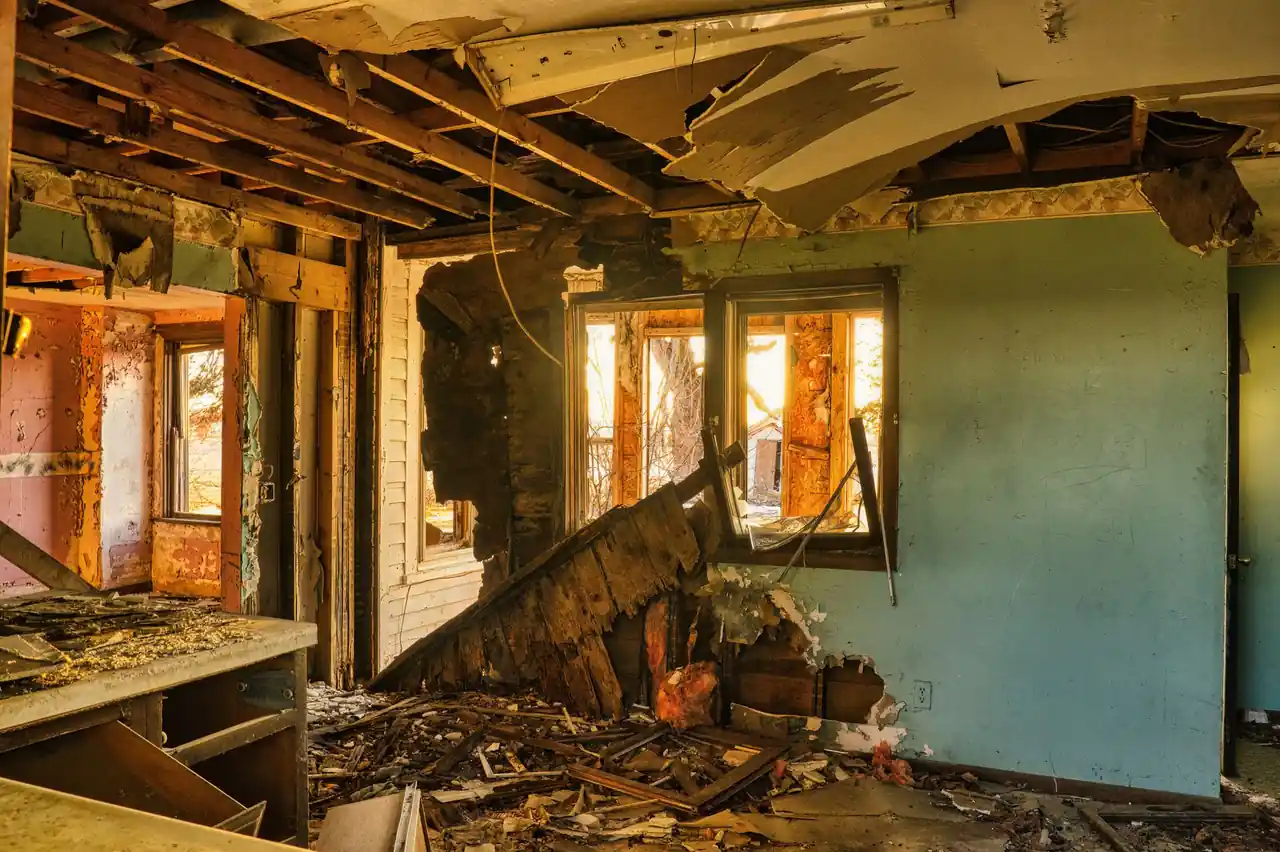
Truck-mounted extraction units handle large volumes fast. For tight spaces like closets, crawlspaces, and under cabinets, we switch to portable units and weighted extraction heads. A typical residential job pulls the standing water in two to four hours, depending on how much has soaked into the structure.
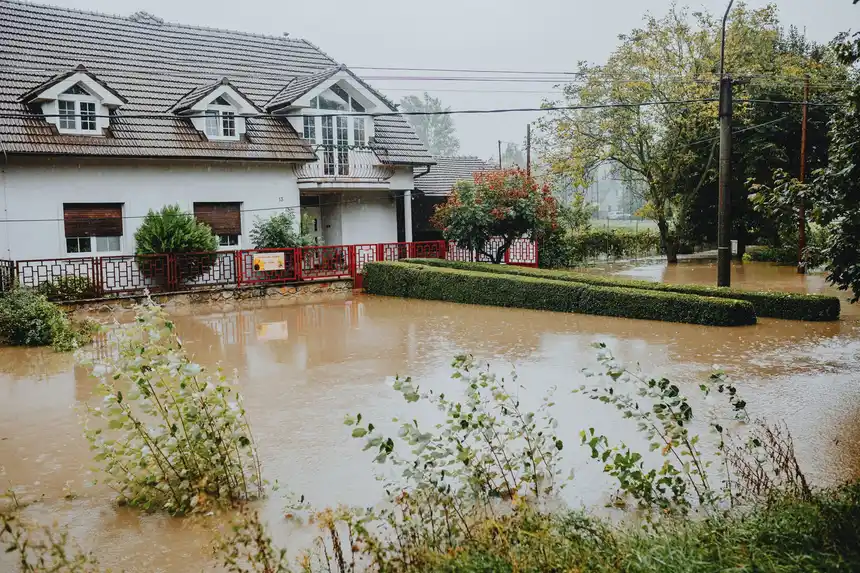
We position industrial air movers and dehumidifiers to dry the walls, floors, and framing. Desiccant dehumidification media gets used on hard-to-dry jobs. Equipment runs 3 to 5 days on most jobs, and we check readings daily to confirm the numbers are dropping the way they should.
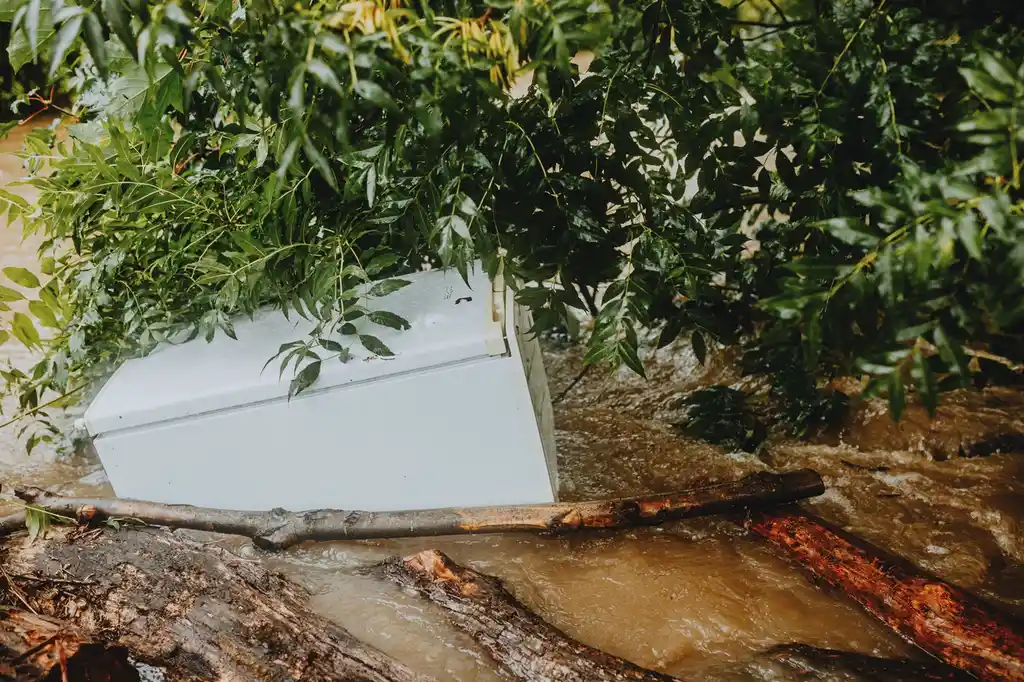
We do not pull equipment until moisture readings match a dry standard for the material. You get a final report with photos and readings you can hand to your insurance adjuster. If any material needs replacing, we tell you before we leave so there are no surprises.
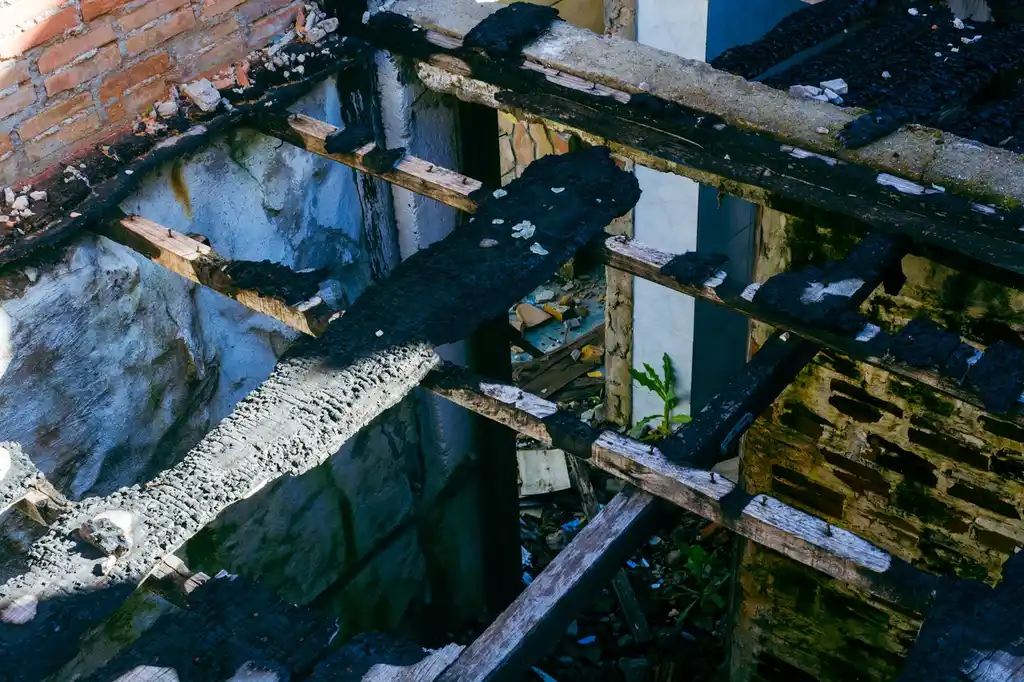
High-capacity vacuum systems that pull large volumes of standing water fast. These handle the bulk of the water on most residential jobs.
Used for tight spaces like closets, crawlspaces, and under cabinets where the truck mount cannot reach. Same pulling power in a smaller footprint.
Show temperature differences that reveal hidden moisture behind walls and under floors. We use these before placing any equipment so we know exactly where the water went.
Measure moisture content in materials and relative humidity in the air. These give us the numbers we log daily and use to decide when the job is actually dry.

Move air across wet surfaces and pull moisture out of the air so materials dry from the inside out. We use Dri-Eaz and Phoenix Restoration Equipment units on most jobs.
Heavy rollers that press down on carpet and pad to pull water out of the fibers and seams. These get more water out than a standard wand.
Small cameras that let us look inside wall cavities without cutting large holes. We use these to confirm whether insulation and framing are wet before we open anything up.
Providers follow IICRC S500 drying principles, which set the standard for how much airflow and dehumidification a space needs based on its size, temperature, and moisture load. This is why our dry-down times are predictable instead of guesswork.
We walk you through shutting off the main valve over the phone, then send a crew with extraction units and drying equipment. We extract the standing water, check the hallway and adjacent rooms for hidden moisture, and set equipment before we leave. Water is out the same night, drying starts immediately, and you wake up to a job already in progress instead of a bigger mess.
We extract the standing water, check the walls and floor for wicking, and set dehumidifiers to pull moisture out of the air and materials. If the water carried contaminants, we remove what cannot be saved and treat the area. The basement is dry in three to five days, and you have documentation for your flood claim.
We extract the water, pull moisture out of the drywall and concrete, and set drying equipment. We coordinate with your plumber on the water heater replacement so the drying is not interrupted. The laundry room and garage are dry and ready for repairs, and the holiday is not spent dealing with a wet floor.
We map the moisture with thermal imaging, extract water from the floor seams and subfloor, and set drying equipment with weighted extraction heads to pull water out of the wood. We monitor daily and tell you honestly whether the floor can be saved. You know within a day whether the floor dries in place or needs replacement, and the drying starts immediately either way.
Cary sits in Wake County, and the water damage calls we get here follow the local weather and housing stock. Winter cold snaps bring burst pipes, especially in older homes with copper supply lines and unheated crawlspaces. Summer storms drop heavy rain fast, and we see storm flooding and roof leaks across the area. The housing mix matters too. Preston and Lochmere have a lot of two-story homes with finished basements and hardwood floors, which means water from an upstairs bathroom can travel down through the ceiling and into the basement before anyone notices. We also work on plenty of slab-on-grade homes where a slab leak soaks the tile floor and the baseboards before it shows. If you are searching for same-day water removal in Cary, North Carolina, this line connects you with local providers who already know the neighborhoods, the common failure points, and how to get the water out fast.
Water damage does not fix itself, and the longer it sits, the more it costs. Here are the problems Cary homeowners call us about most often and how we handle them.
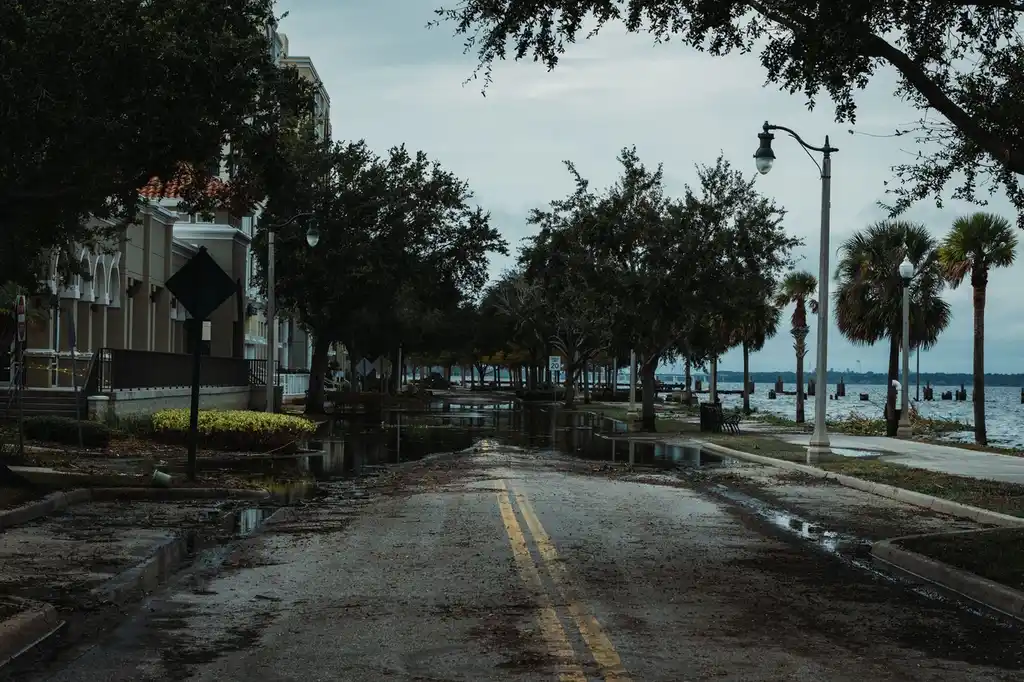
We shut off the source if it is still running, extract the standing water, open up the wall cavities where needed, and set drying equipment the same visit. Most overnight pipe jobs are fully extracted within four hours of arrival. Water spreads under flooring and into wall cavities within hours. By morning, drywall is wicking water 12 inches up the wall and mold is on the clock.
We use thermal imaging to trace the moisture path across the slab, extract what we can from the surface, and dry the affected area with dehumidifiers. If the leak is still active, we coordinate with a plumber before drying starts. Slab leaks are slow and sneaky. Water travels under the slab and shows up as a warm spot or a buckling floor. By the time you notice, the damage is often wider than it looks.
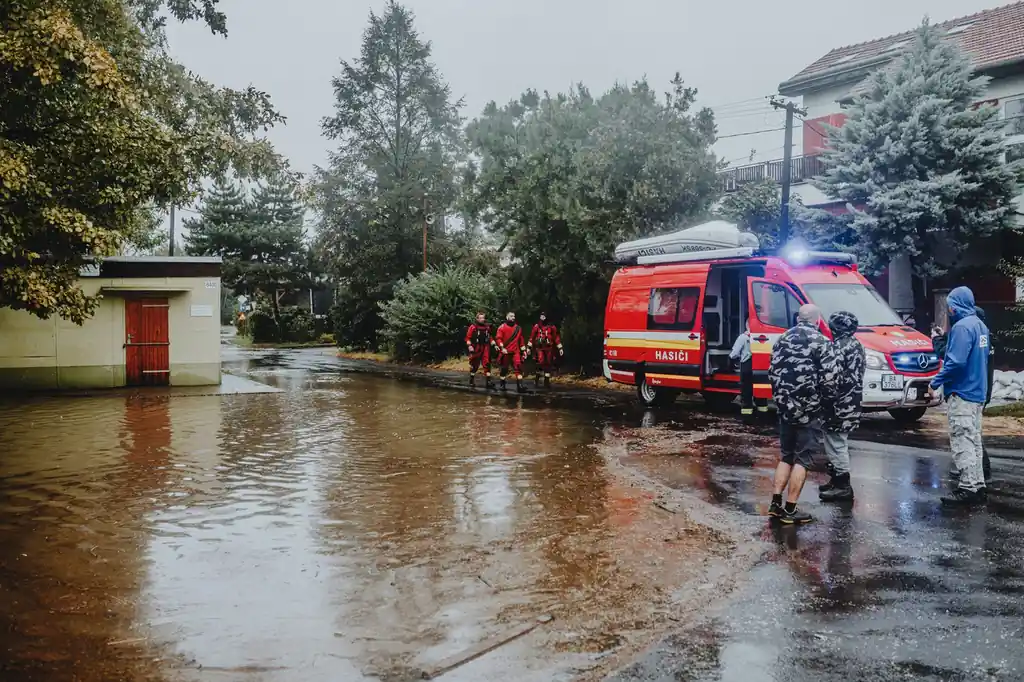
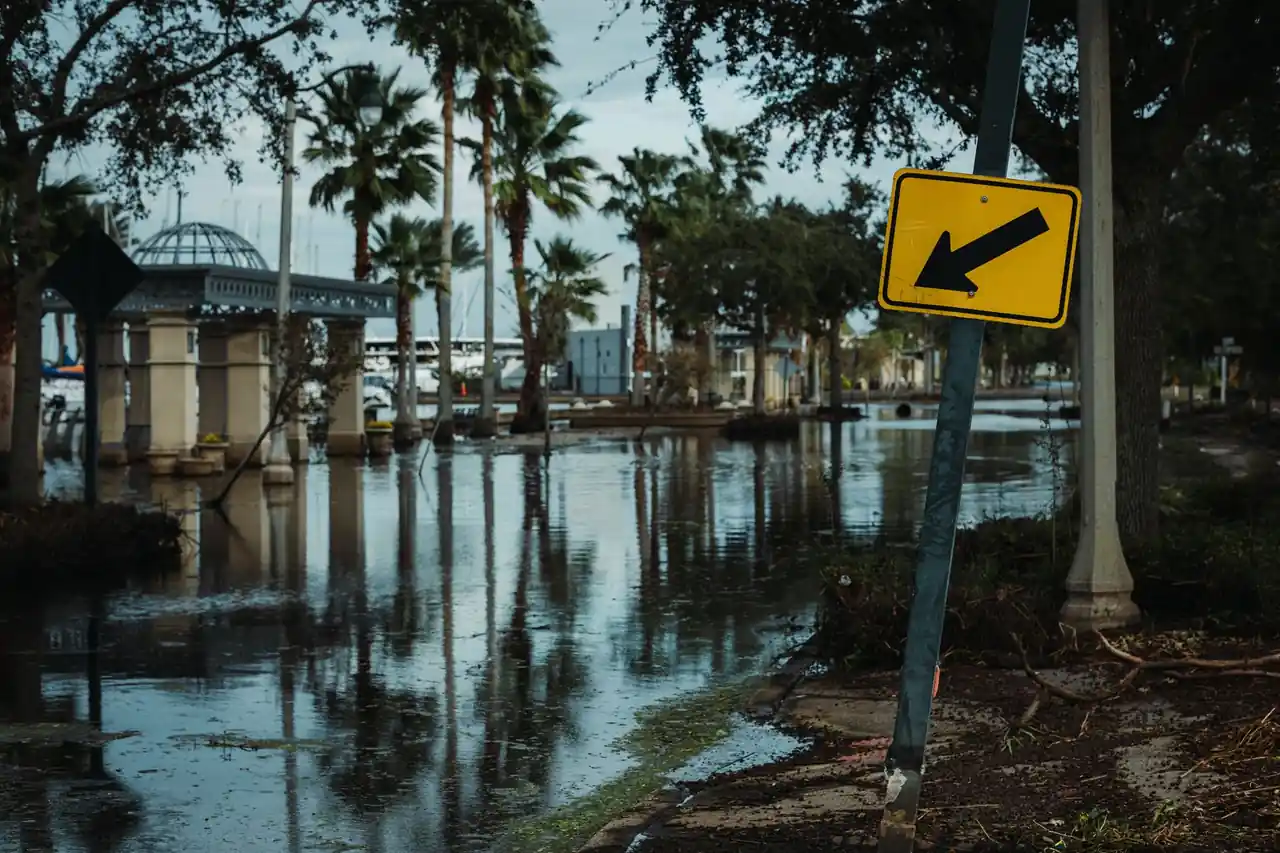
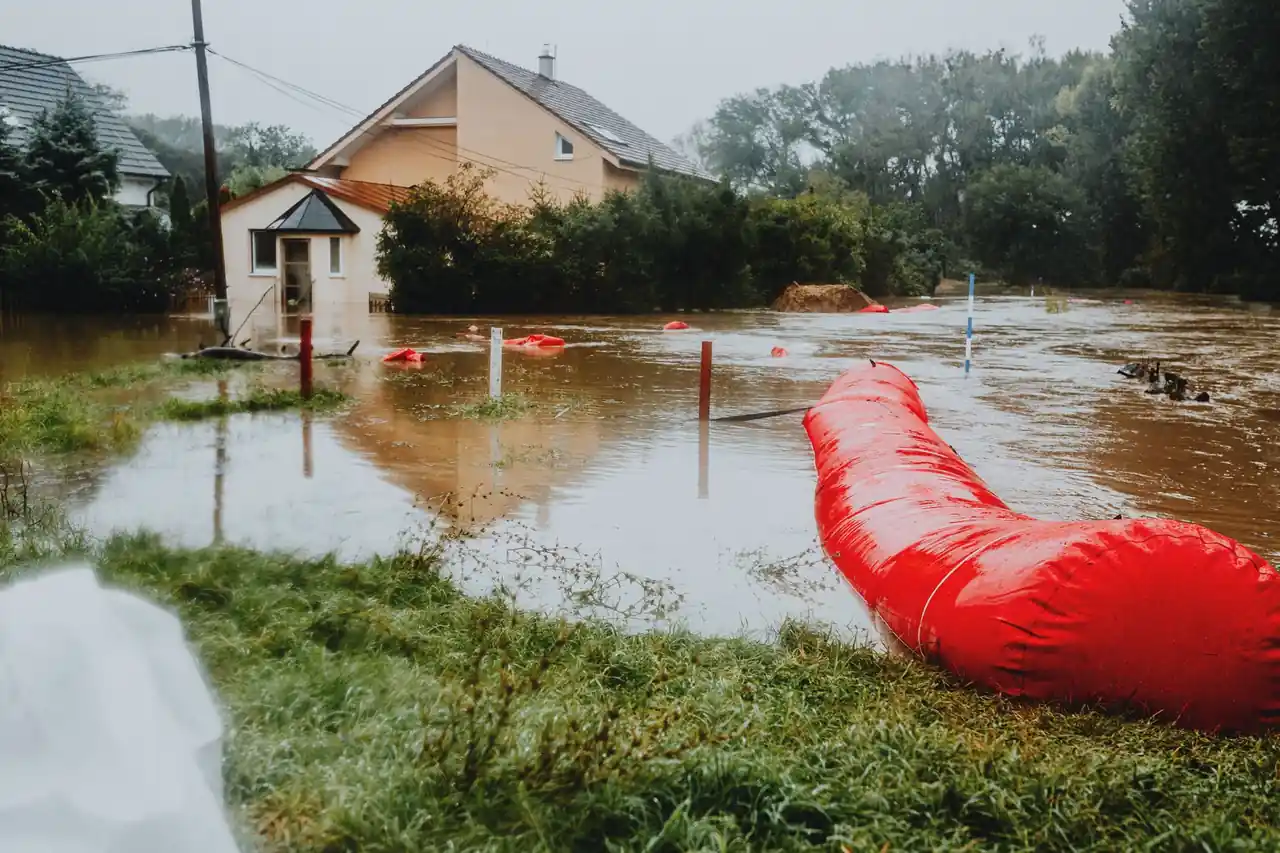
We extract the standing water, remove any contaminated material that cannot be saved, treat the area with antimicrobial, and dry the structure. We document everything for your insurance claim as we go. Storm water carries silt and contaminants that soak into flooring and drywall. Left alone, it becomes a mold and odor problem within a couple of days.
We pull the water out of the cabinets and flooring, check the adjacent rooms for hidden moisture, and set drying equipment. Most appliance leaks are handled in a single visit plus three to four days of drying. A failed water heater or washing machine supply line can dump 20 to 60 gallons before anyone notices. That water runs under cabinets and into adjacent rooms fast.
Mold can start colonizing wet drywall and insulation in as little as 24 to 48 hours. We extract the water and get airflow moving the same day, which keeps the window for mold growth closed. If you have ever priced a mold remediation, you know why that matters.
Hardwood, laminate, and engineered flooring cup and buckle fast when water sits underneath. Weighted extraction heads pull water out of the seams and from the wood subflooring below, giving us a real chance to dry the floor in place instead of tearing it out.
Water wicks up drywall faster than most people expect, sometimes 12 inches or more in a day. We cut small inspection holes where needed, extract from the cavity, and dry it with industrial air movers so you replace less material and save on the rebuild.
The provider photograph moisture readings, log daily dry-down numbers, and build the scope in writing so your adjuster has what they need. Most homeowner policies cover sudden water damage, and clean documentation is what moves a claim forward instead of stalling it.
Clear records you can keep and share.
Daily readings and photos
Equipment placement and progress
written line items for insurance
Extraction is only half the job. The other half is drying the materials that soaked up water, and that takes days, not hours.
Extraction removes standing water. Drying removes the moisture left inside materials. You need both. Skipping drying leads to mold and warped floors.
Mold can start growing in 24 to 48 hours on wet drywall. The faster water is out and airflow starts, the smaller the repair bill. Waiting a day can double the cost.
We check moisture content in materials and humidity in the air. Equipment stays until the readings match a dry standard. Numbers decide, not guesswork.
Outside these areas? Call and ask - we may still be able to help.(919) 555-0134
Step 1 - You call. Call (919) 555-0134 and tell us what happened: where the water is, and where it may be coming from.
Step 2 - We connect you. We connect you with a local Cary water damage provider who handles that kind of job.
Step 3 - The provider assesses and quotes. The provider checks the damage, explains the scope in writing, and gives you the price before any work starts. Ask them about their license, insurance, and training before you hire.
There is no flat price we can honestly quote on a website. The cost depends on how much of the home is affected, how long the water sat before anyone found it, the category of the water, and which materials have to come out. When you call, we connect you with a local Cary provider. That provider checks the damage and gives you a written scope and price before any work starts, so you decide with the real number in front of you.
Start with us. Cary Water Removal & Restoration is a referral service: call (919) 555-0134, tell us what happened, and we connect you with a local Cary provider who does this kind of work. The provider checks the damage and gives you a written scope before starting.
Call (919) 555-0134 any time. We connect you with a local Cary provider who handles emergencies. How fast they reach you depends on where you are in Cary and how busy they are at that moment - the person who answers will give you an honest time window on the call, not a made-up guarantee.
Yes, if it happens fast enough. Mold can start growing in 24 to 48 hours on wet drywall and insulation. Extracting the water and getting airflow moving the same day closes that window. We also use antimicrobial treatments on affected surfaces and check for any sign of growth during the dry-down so nothing gets missed.
Yes. Basements and crawl spaces are common in Cary homes, and water often sits there unseen after a storm, a sump pump failure or a supply line leak. The provider we connect you with uses submersible pumps for standing water, then checks insulation, subfloor and framing for moisture that did not drain out.
Shut off the main water valve if a pipe is the source, switch off power to wet areas only if you can reach the panel without standing in water, and move small items and rugs to dry ground. Take photos and short videos of the water and affected rooms before anything is moved, because your insurance claim will need them.
Often it can be saved when the water is clean and extraction starts quickly. Carpet that sat in contaminated water, or wet padding that stayed soaked for days, usually has to be removed. The provider will check with a moisture meter and tell you which it is before cutting anything out.
Extraction removes the water you can see. Moisture left in subfloor, drywall and framing keeps feeding mold, so the crew places air movers and dehumidifiers and logs moisture readings until the structure reaches a dry standard. Skipping that step is how a small flood turns into a mold job.
Standing water does not wait, and neither should you. Call (919) 555-0134 and we will have a crew headed your way with extraction and drying equipment ready to go. The person who answers will give you an honest arrival window for the provider.
If water is spreading in your Cary home, call us at (919) 555-0134. We answer around the clock and connect you with a local Cary provider. If it's not an emergency, email us and we'll get back to you the same business day.