
Written scope
Room-by-room moisture readings and drying plan.
When water hits your floor at 2 a.m., every minute counts. Our water mitigation Cary NC team responds fast with industrial extraction units, moisture meters, and thermal imaging cameras to find every wet pocket. We serve homeowners and property managers across Wake County, from burst pipes in Preston to slab leaks in Lochmere. We stop the damage, dry the structure, and document everything for your insurance claim.
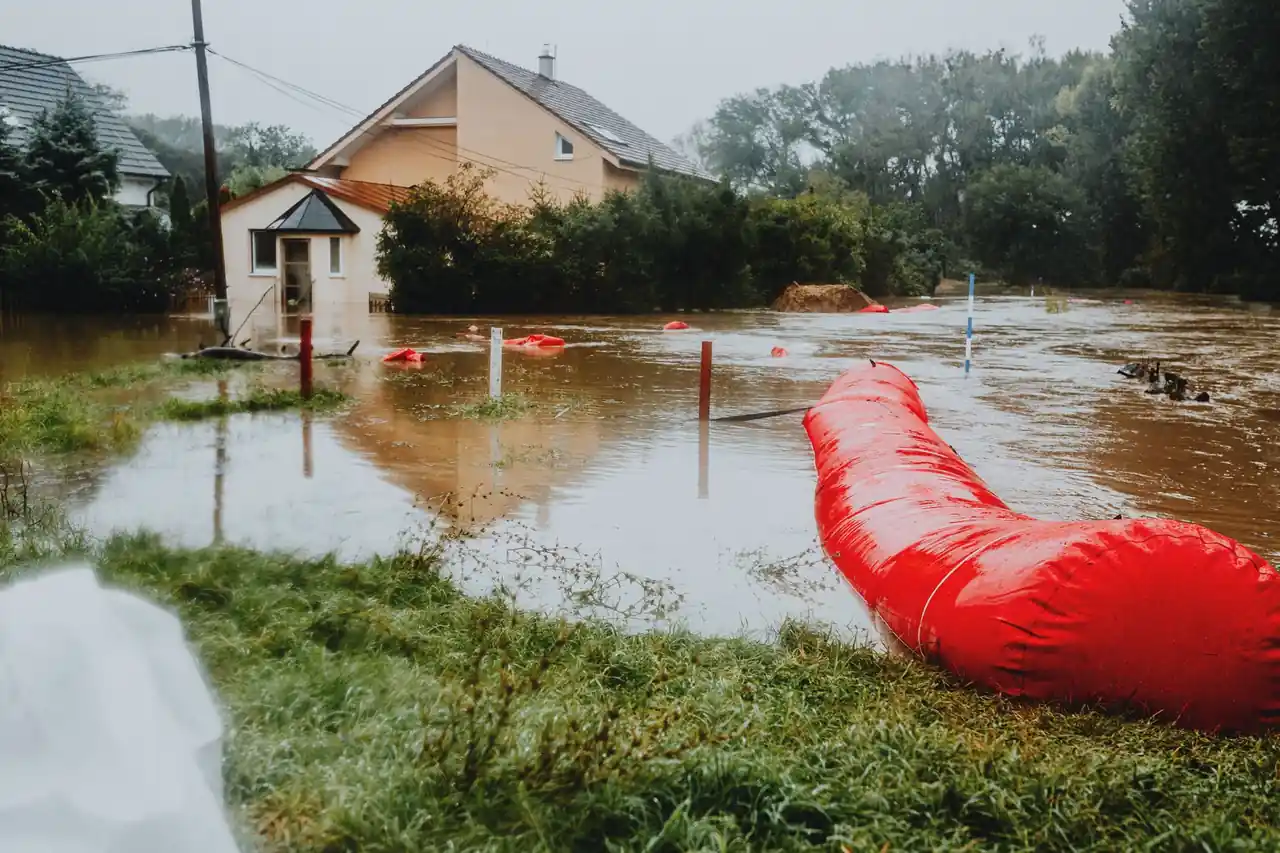
Every water mitigation job includes inspection, extraction, drying, and documentation. We tell you upfront what is covered and what is a separate scope, so there are no surprises on the invoice.
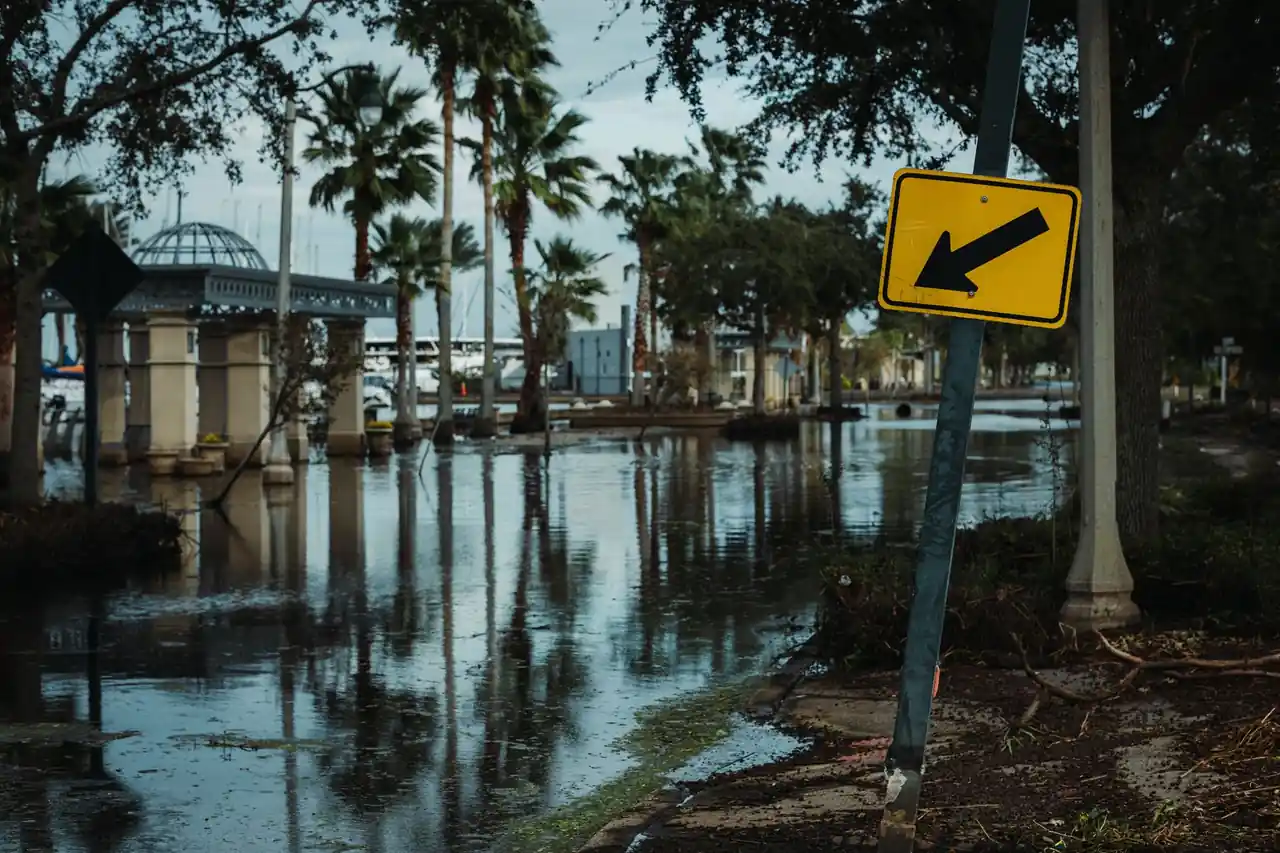
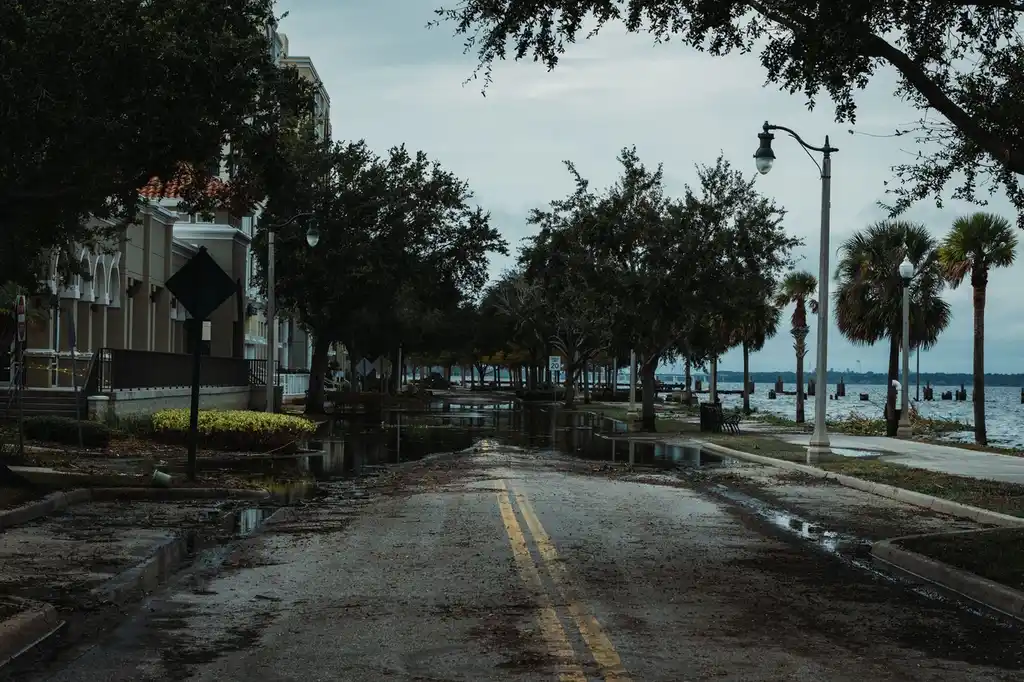
We dry homes across Cary after burst pipes, appliance failures, and storm flooding. You get daily moisture readings and a clear timeline from day one.
We handle water mitigation for offices, retail spaces, and rental properties across Cary. We work after hours to minimize disruption to your business.
Water mitigation Cary NC is the emergency response that stops water damage from spreading and dries your structure before mold and rot set in. It is not the same as full restoration. Mitigation is the first 24 to 72 hours: extracting standing water, measuring moisture content in drywall and subflooring, setting industrial air movers and dehumidifiers, and applying antimicrobial treatments to wet framing. We use moisture meters, thermal imaging cameras, and hygrometers to map exactly where water traveled, even behind walls and under floors.
In Cary, we see the same problems repeat: burst pipes during a January freeze, slab leaks in older slab-on-grade homes, appliance failures from washing machine supply lines, and storm flooding after a heavy summer downpour. If you search for water damage mitigation near me Cary NC at 3 a.m., you need a crew that knows the local building stock. We do. We have dried crawlspaces in Preston, extracted water from finished basements in Lochmere, and handled sewage backups in 27513. Call (919) 555-0134 and we will walk you through what to do before we arrive.
Water mitigation is a race against time, and we run it every day.
Every job follows the same sequence. You will know what is happening, who is doing it, and how long it takes.
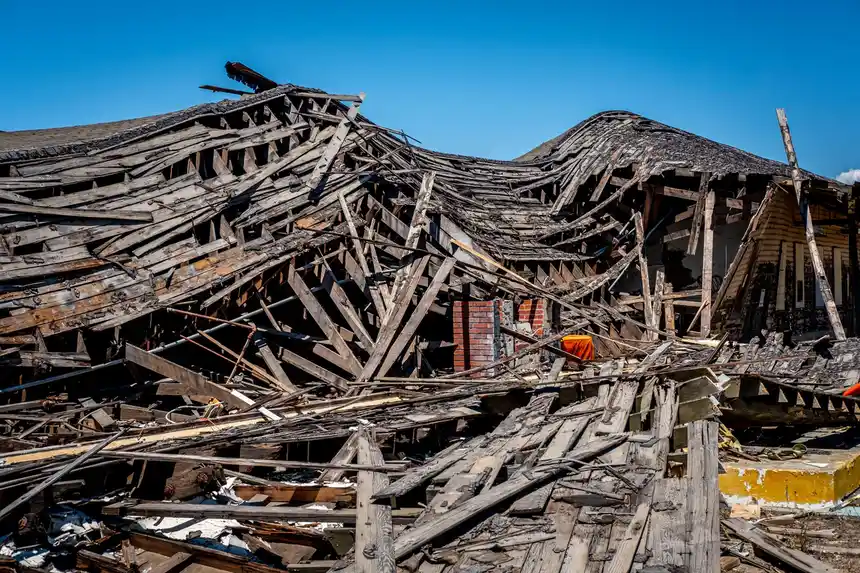
You call (919) 555-0134. We ask three questions: what is the water source, is it still running, and what rooms are affected. If the source is a burst pipe or appliance line, we walk you through shutting it off before we arrive. We answer around the clock and connect you with a local Cary provider.
We walk the affected area with thermal imaging cameras and moisture meters. We check wall cavities with boroscopes, test subflooring with a hygrometer, and mark every wet zone. You get a written scope of what is wet, what needs extraction, and what can be saved. This takes 30 to 45 minutes on a typical residential job.

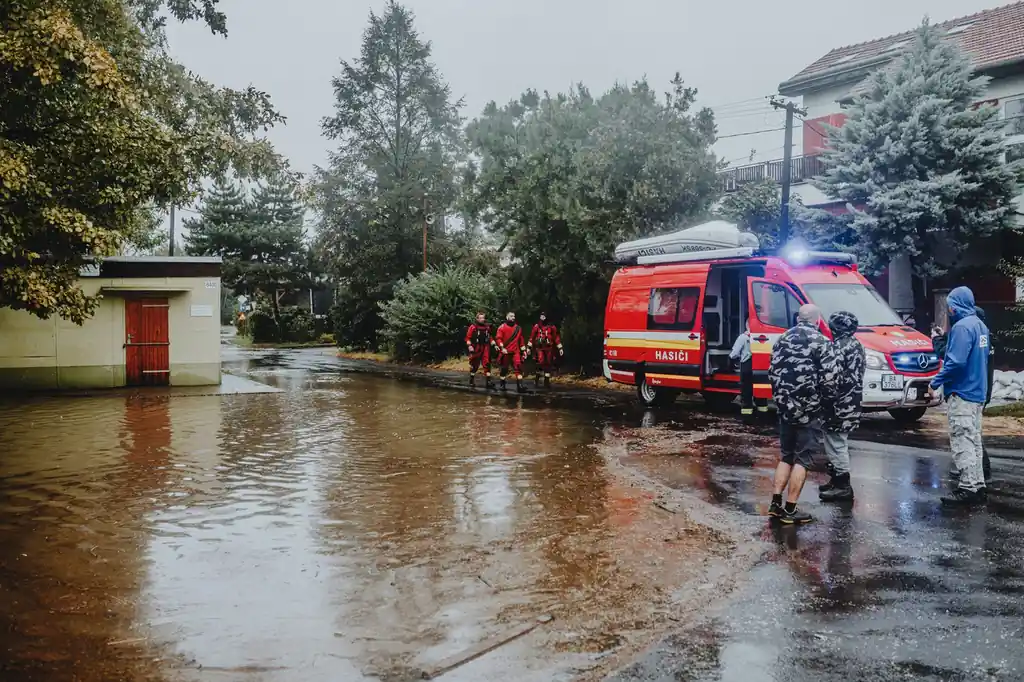
Standing water comes out first. We use truck-mounted and portable water extraction units to pull water from carpet, hardwood, tile grout, and concrete. For sewage backups, we remove contaminated materials and bag them for disposal. Extraction typically takes two to four hours depending on volume and flooring type.
We set industrial air movers and dehumidifiers to dry the structure. Air movers circulate air across wet surfaces; dehumidifiers pull moisture from the air so it does not re-settle. We place moisture meters and infrared thermometers to monitor progress daily. Most residential dry-outs run three to five days.
We do not pull equipment until moisture readings return to normal dry standards. We photograph final readings, log them against the initial measurements, and provide a completion report for your insurance claim. If any area is still above threshold, equipment stays another day at no additional cost.
We use thermal cameras to find hidden moisture behind walls, under floors, and in ceiling cavities. Temperature differences reveal where water has traveled, even when surfaces feel dry.
We measure moisture content in drywall, wood, and concrete. Hygrometers measure relative humidity in the air. These readings tell us when the structure is dry and when equipment can be removed.
We use Dri-Eaz and Phoenix Restoration Equipment air movers to circulate air across wet surfaces. Airflow speeds evaporation and prevents moisture from settling in wall cavities.
We use desiccant dehumidifiers to pull moisture from the air, especially in cool or humid conditions. They are more effective than refrigerant dehumidifiers in Cary's humid summers.
We use truck-mounted and portable extraction units to remove standing water from carpet, hardwood, and concrete. Weighted extraction heads pull water from carpet and pad.
We use boroscopes to inspect inside wall cavities without cutting large holes. They let us see moisture, mold, and damage behind drywall before we decide what needs to be opened.
We use air scrubbers with HEPA filters to remove airborne particles, mold spores, and debris during the dry-out. They improve air quality in the affected area and adjacent rooms.
Good providers follow the IICRC S500 standard for water damage restoration. It defines water categories, drying goals, and documentation requirements. Following S500 means your dry-out meets industry standards and your insurance claim is more likely to be approved without pushback.
We extract the water, pull moisture from concrete and drywall, and set drying equipment. We check the water heater area for hidden moisture and document the damage for your claim. Your garage and hallway are dry in three days. No mold, no lingering damp smell, and a complete claim package for your adjuster.
We extract water from insulation, drywall, and flooring. We use boroscopes to check ceiling cavities and thermal cameras to find hidden moisture. We set drying equipment and monitor daily. Your ceiling and walls are dry in four to five days. We document the damage so your insurance covers insulation replacement and drywall repair.
We shut off the water if it is still running, extract standing water, and pull moisture from vinyl and hardwood flooring. We set air movers and a dehumidifier and check readings daily. Your laundry room and hallway are dry in three days. No cupping in the hardwood, no mold in the wall cavities.
We extract water, remove wet baseboards and insulation, apply antimicrobials, and set drying equipment. We check for groundwater intrusion points and document everything for your claim. Your basement is dry in four to five days. We provide a report you can use to address the foundation issue with a waterproofing contractor.
Cary sits in Wake County, and our water damage patterns reflect that. Winter freezes burst pipes in attics and crawlspaces. Summer storms push water through foundation walls and into basements. Older homes in Preston and Lochmere have slab leaks and aging supply lines. Newer construction in 27519 often has upstairs laundry rooms, which means a supply line failure can send water through the ceiling and into two floors. We know these patterns because we work them every week. When you call for water mitigation in Cary North Carolina, we arrive knowing what to check first. We also know local code requirements for moisture barriers and ventilation, which matters when we document repairs. If you are searching for water damage mitigation Cary North Carolina same day, call (919) 555-0134. We are based in Cary and connect you with a local provider - ask for an honest arrival window when you call.
Water damage is not one problem. It is a burst pipe, a slab leak, a sewage backup, or a storm that pushes water under your door. Each one needs a different response.
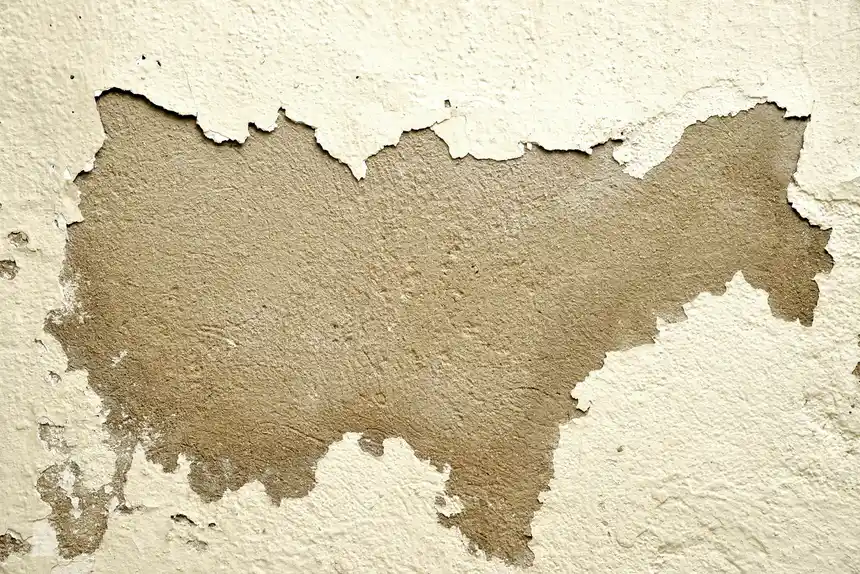
We extract standing water, pull moisture from cabinets and wall cavities with air movers and dehumidifiers, and treat framing with antimicrobials. We document everything for your insurance claim and dry the structure to standard before we leave. Water spreads under cabinets, into wall cavities, and across the subfloor. Within 24 hours, mold can begin growing on wet drywall. Within 48 hours, hardwood floors start cupping.
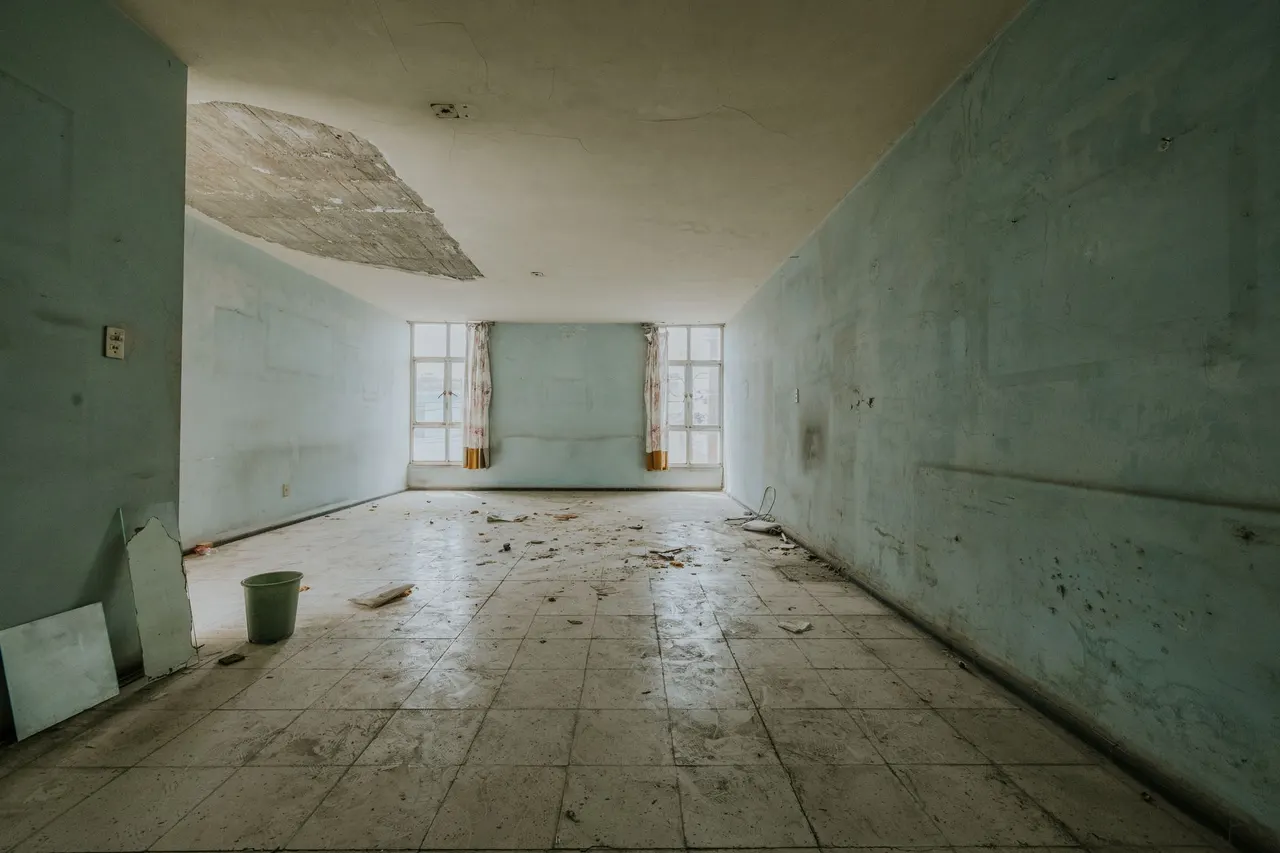
We use thermal imaging cameras and moisture meters to map exactly where water has traveled. We extract water from flooring and subflooring, set drying equipment, and coordinate with a plumber to fix the leak source. We dry the slab and flooring to standard. Slab leaks are slow and hidden. Water wicks up through concrete and into flooring, causing cupping, buckling, and persistent dampness. By the time you notice, the damage is often widespread.
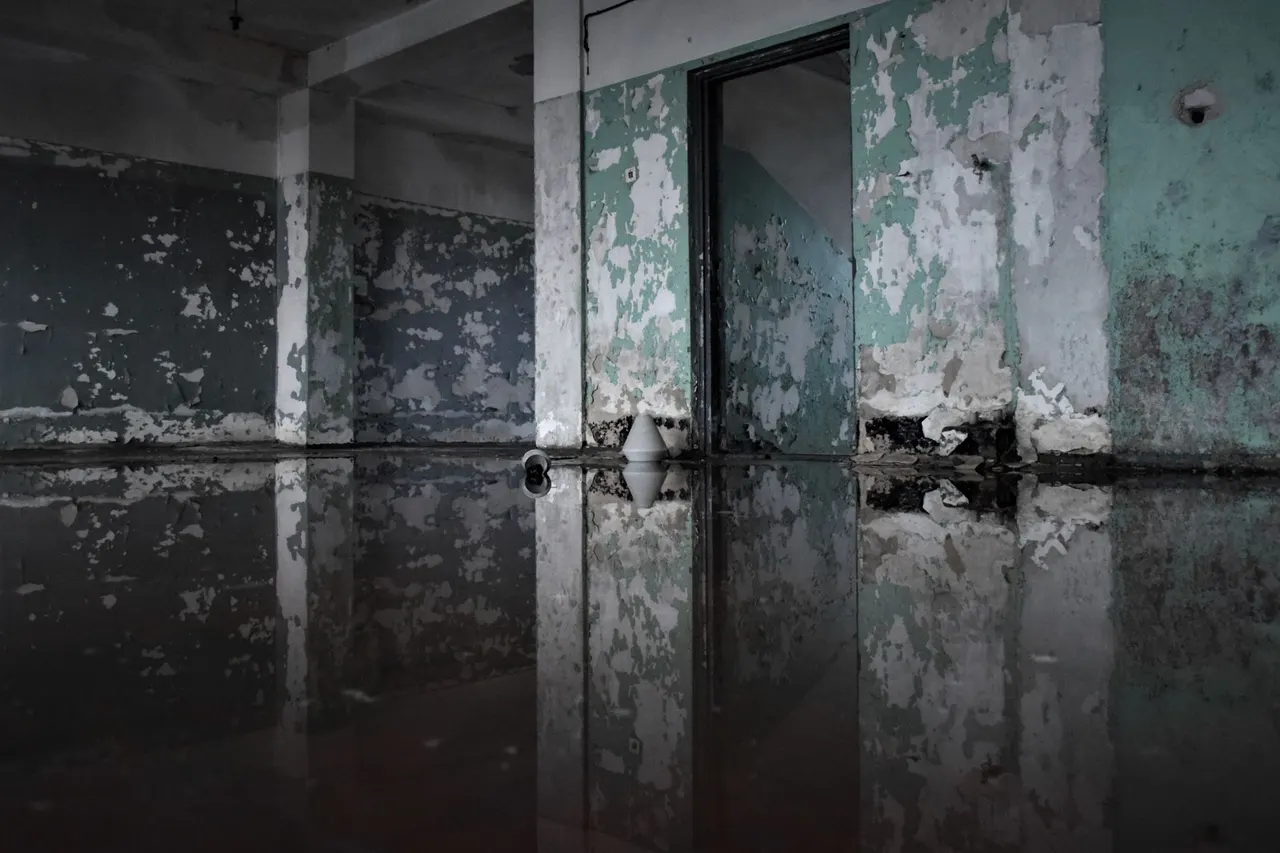
We remove contaminated materials, bag them for disposal, and treat the area with antimicrobials. We extract remaining water, set drying equipment, and verify the space is dry and safe. Providers follow industry standards for Category 3 water handling. Sewage is Category 3 water, meaning it is contaminated with bacteria and pathogens. Anything it touches, including drywall, insulation, and carpet, must be removed and disposed of. The health risk is immediate.

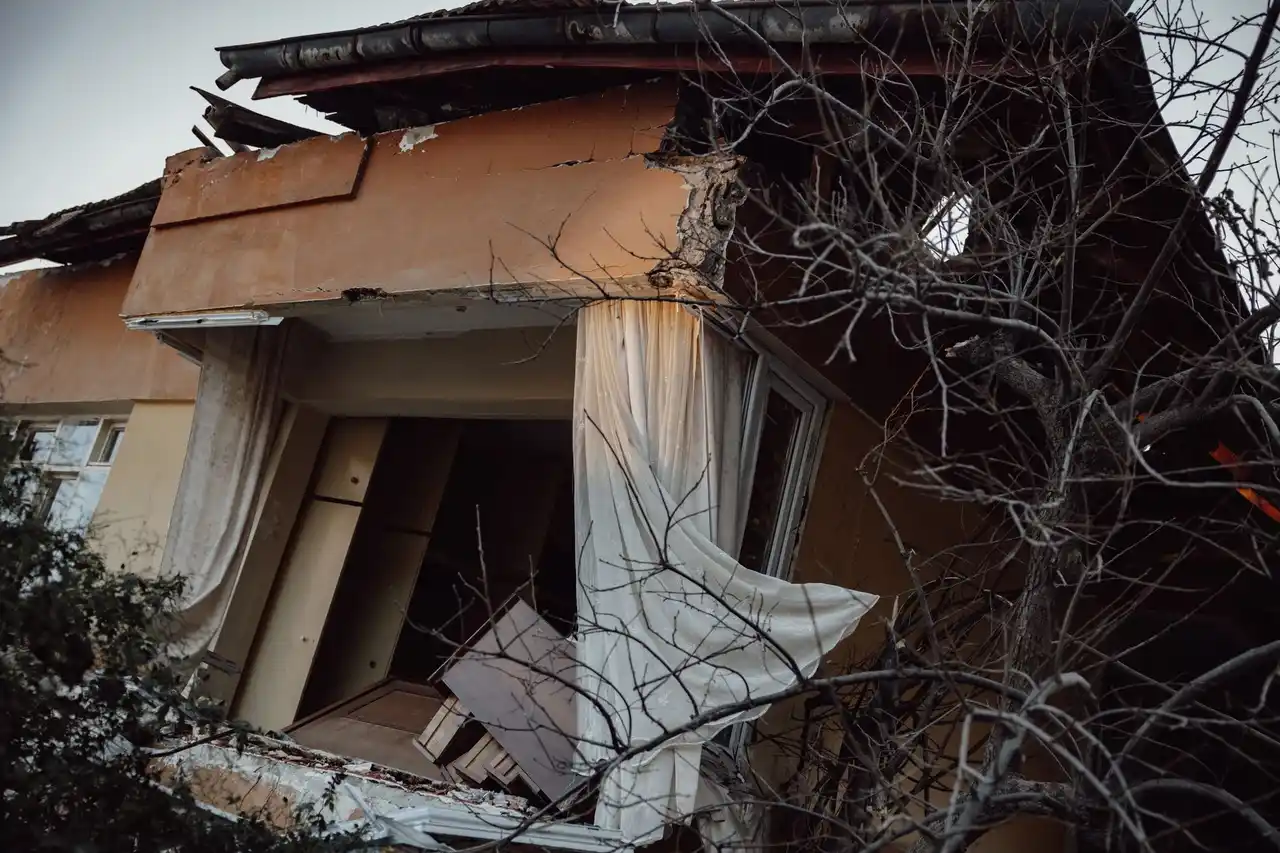
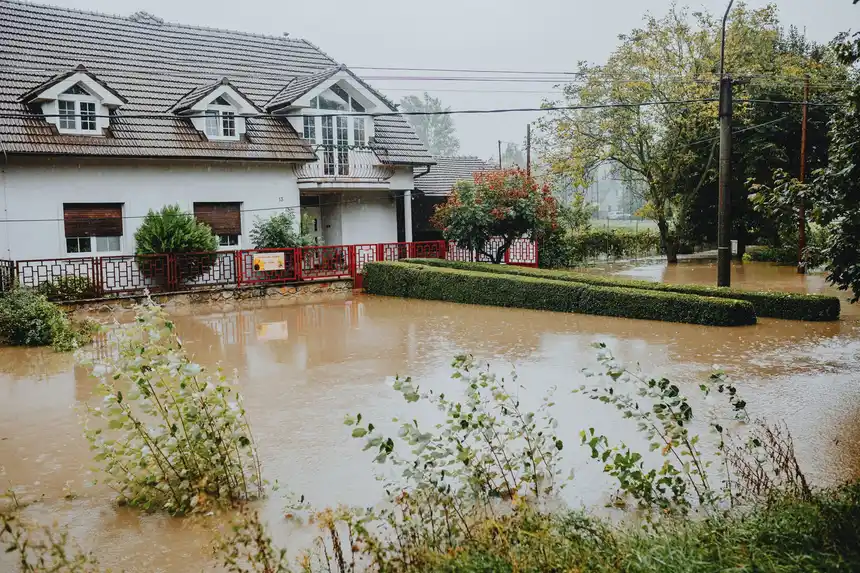
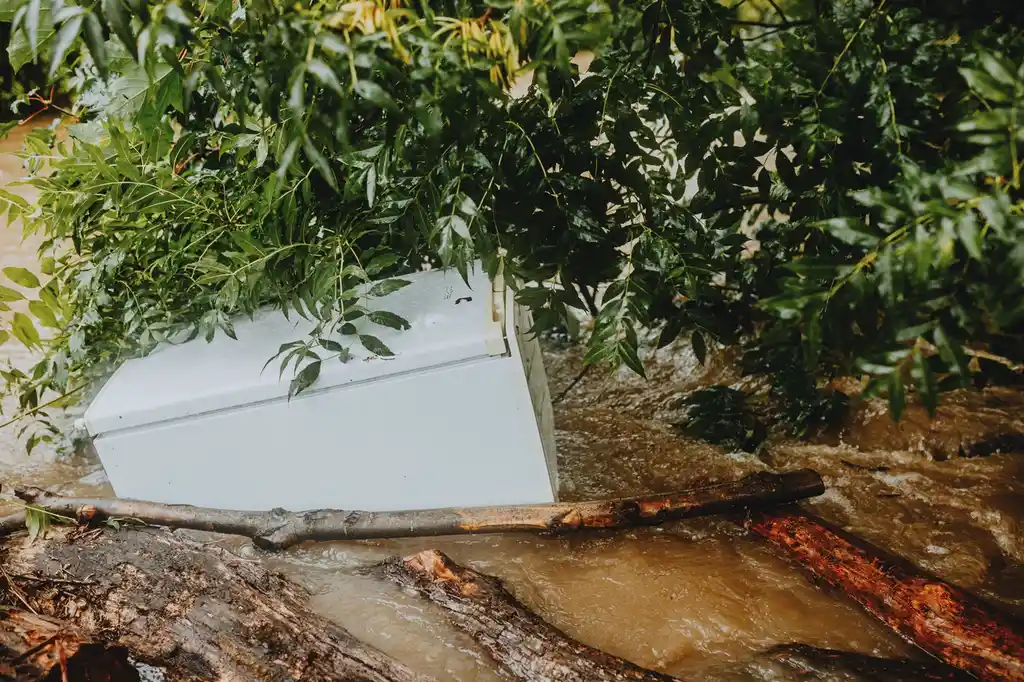
We extract water, remove damaged materials, apply antimicrobial treatments, and set drying equipment. We handle storm flooding across Cary and Wake County, including after heavy summer downpours and tropical storm remnants. Storm water is often contaminated and can carry silt, debris, and bacteria. It soaks into flooring, baseboards, and wall cavities. If not dried quickly, mold and rot follow within days.
Mold can start growing on wet drywall in as little as 24 to 48 hours. We set drying equipment the same day we arrive, pull moisture readings below 16% on wood framing, and apply antimicrobial treatments to every wet surface. That window is the difference between a dry-out and a demolition.
The provider photograph every affected room, log moisture readings room by room, and build a scope in writing that adjusters recognize. You get a complete claim package, not a handwritten invoice. Most Cary homeowners see faster approvals because the documentation is already there.
Water does not wait for business hours. We run emergency water mitigation Cary NC calls 24/7, including holidays. A burst pipe at 2 a.m. gets the same crew and the same equipment as a 2 p.m. call. We arrive, shut off the source if needed, and start extraction immediately.
A Shop-Vac removes surface water. It does not dry your subfloor, wall cavities, or insulation. We use Dri-Eaz and Phoenix Restoration Equipment air movers and desiccant dehumidifiers to pull moisture out of the structure itself. That is what prevents the call-back six weeks later when the floor starts cupping.
Clear records you can keep and share.
Room-by-room moisture readings and drying plan.
Moisture readings logged and shared every day.
Photos, readings, and written scope for your adjuster.
Water mitigation is not the same as water damage restoration. Mitigation stops the damage from spreading and dries the structure. Restoration rebuilds what was damaged.
Mitigation is the emergency dry-out. Restoration is the rebuild. You need mitigation first to prevent mold and further damage.
Category 1 is clean water. Category 2 is gray water. Category 3 is black water. Each category has different handling and disposal requirements.
Most residential dry-outs take three to five days. Hardwood and concrete take longer. We do not pull equipment until readings are dry to standard.
Outside these areas? Call and ask - we may still be able to help.(919) 555-0134
Step 1 - You call. Call (919) 555-0134 and tell us what happened: where the water is, and where it may be coming from.
Step 2 - We connect you. We connect you with a local Cary water damage provider who handles that kind of job.
Step 3 - The provider assesses and quotes. The provider checks the damage, explains the scope in writing, and gives you the price before any work starts. Ask them about their license, insurance, and training before you hire.
There is no flat price we can honestly quote on a website. The cost depends on how much of the home is affected, how long the water sat before anyone found it, the category of the water, and which materials have to come out. When you call, we connect you with a local Cary provider. That provider checks the damage and gives you a written scope and price before any work starts, so you decide with the real number in front of you.
Start with us. Cary Water Removal & Restoration is a referral service: call (919) 555-0134, tell us what happened, and we connect you with a local Cary provider who does this kind of work. The provider checks the damage and gives you a written scope before starting.
Extraction takes two to four hours on a typical job. Drying takes three to five days for most residential dry-outs. Larger jobs with hardwood floors, crawlspaces, or Category 3 water can run five to seven days. We check moisture readings daily and do not pull equipment until the structure is dry to standard. You will know the timeline after the first inspection.
Most homeowners policies cover sudden and accidental water damage, like a burst pipe or a failed appliance. Damage from rising flood water usually needs a separate flood policy. Ask the provider who visits to document the damage with photos and moisture readings for your adjuster. Billing is worked out between you, the provider, and your carrier.
Water damage doubles in cost every hour you wait. We answer around the clock and connect you with a local Cary provider. Call (919) 555-0134 and we will walk you through what to do right now.
If water is spreading in your Cary home, call us at (919) 555-0134. We answer around the clock and connect you with a local Cary provider. If it's not an emergency, email us and we'll get back to you the same business day.